
NAME OF THE DIVISION: AIZAWL WILDLIFE DIVISION
The Aizawl Wildlife Division is a part of The Mizoram Forest Department, located in Aizawl, Mizoram. It was initially created in 1972 and later reorganized, with its current boundaries defined in1986.The division focuses on wildlife conservation and protection within its jurisdiction, which includes Aizawl city and surrounding areas.
Aizawl Wildlife Division is directed by the Deputy Conservator of Forests. The DCF looks after Aizawl Zoological Park and 4 Protected Areas and is ex-officio Director of Aizawl Zoological Park.
Incumbency Chart of Deputy Conservator of Forests – Aizawl Wildlife Division
Sl.No. | Name of Officers | From | To |
1 | Lalchungnunga Ralte, M.F.S. | 22.12.1986 | 03.03.1987 |
2 | Lalramthanga, I.F.S. | 06.03.1987 | 05.11.1988 |
3 | V. Lalfala, M.F.S. | 05.11.1988 | 02.03.1992 |
4 | Lalrinmawia, I.F.S. | 07.02.1992 | 07.04.1993 |
5 | Hmingdailova Colney, I.F.S. | 06.05.1993 | 04.04.1997 |
6 | Liankima Lailung, I.F.S. | 07.04.1997 | 03.07.1998 |
7 | Hmingdailova Colney, I.F.S. | 03.07.1998 | 25.06.1999 |
8 | Vanlasawma, I.F.S. | 16.07.1999 | 29.07.2005 |
9 | Liankima Lailung, I.F.S. | 29.07.2005 | 26.02.2010 |
10 | C. Lalengliana, I.F.S. | 26.02.2010 | 28.03.2013 |
11 | Saurabh Sharma, I.F.S. | 28.03.2013 | 12.05.2015 |
12 | Dr. C. Vidhyasagar, I.F.S. | 12.05.2015 | 13.10.2017 |
13 | H. Lianmawia, I.F.S. | 13.10.2017 | 16.07.2019 |
14 | C. Lalbiaka, I.F.S. | 16.07.2019 | 02.07.2020 |
15 | Lalnunzira, I.F.S. | 02.07.2020 | 19.05.2023 |
16 | P.C. Laltanpuia, M.F.S. | 19.05.2023 | 14.08.2023 |
17 | P.C. Laltanpuia, I.F.S. | 14.08.2023 | 12.04.2024 |
18 | Margaret Lalramchhani, I.F.S. | 12.04.2024 | — |
LIST OF PROTECTED AREAS UNDER AIZAWL WILDLIFE DIVISION
| ||||
Sl. No. | Name of Protected Area | Area of PA (in sq. km) | No. & Date of Final Notification | District |
1 | Khawnglung Wildlife Sanctuary | 35 | No. B.12012/10/96-FST dated 12.10.2000 | Hnahthial |
2 | Pualreng Wildlife Sanctuary | 50 | No. B.12012/16/2013-FST dated 10.12.2013 | Kolasib |
3 | Tawi Wildlife Sanctuary | 35.75 | No. B.12012/1/91-FST dated 16.11.2001 | Aizawl |
4 | Thorangtlang Wildlife Sanctuary | 180 | No. B.12012/24/2014-FST dated 2.11.2015 | Lunglei |
1. AIZAWL ZOOLOGICAL PARK
Brief history
The zoo started as a menagerie in 1970 in which Shri A.C. Ray, a District Collector of the then Mizo District, initiated collecting animals. The animals were shifted to Children’s Park (presently „City Park‟) for exhibition to the public in 1972 and subsequently this had been developed to a Mini Zoo. Shri S.K.Chibber, the then Lt. Governor of Mizoram inaugurated Mini Zoo at Bethlehem in 1977 after shifting a handful of animals near the Forest Training School. A number of wild animals have been collected from different parts of the state and housed in the temporary sheds of the park and exhibited to the people. Rescued animals such as Barking deer, Sambar, Himalayan Black Bear, Stump tailed macaque, Assamese macaque, Hoolock gibbon, Civet cat, Birds of Prey and Jungle cats etc. were housed at Bethlehem Mini Zoo.
On inspection, the Central Zoo Authority advised in their letter No.191-CZA (N) dt.10.12.1996 that the Mini Zoo at Bethlehem was not ideal for further improvement. Taking advantage of advice from Shri S.C. Sharma, Member Secretary of the Central Zoo Authority and with collective efforts of officers and staff involved in the Zoo Administration etc. search for alternative site begun from 1997 onwards. The then Minister, Environment & Forests, Shri Lalchamliana along with Senior Forest Officials tried to locate a suitable site for establishing a zoo with good water source. After search for suitable area, it was found that a stretch of forest out of the Govt. Reserve Forests had a good natural water body called Belkhai. It was decided to establish the zoo there by slicing out part of Govt. Reserved Forests. The construction activities started over a small area of about 30 ha. to house some herbivores like Deer, Sambar, Barking deer, Himalayan Black Bear, Hoolock gibbon and a few birds. Construction of Aizawl Zoological Park at Sakawrtuichhun actually commenced in the year 2001 on the outskirts of the newly developing township of Aizawl after a search for a suitable location with natural forest cover. This site covers a portion of Aizawl – Silchar Roadside Reserve and a beautiful natural landscape with perennial stream called Belkhai lui close to Tlawng River on Aizawl – Lengpui Airport road.
Approach Route of Aizawl Zoological Park | |||
Origin | Approach via | Entry point | Distance(approx.) |
Lengpui Airport | NH 54 | Phunchawng | 17 kms |
Aizawl city | NH 54 | Phunchawng | 15 kms |
Aizawl city | Ramrikawn | Sakawrtuichhun | 10 kms |
The zoo started growing slowly with new enclosures. The first animals were transferred in the year 2002 from the Mini Zoo in Bethlehem veng starting with a pair of Hoolock gibbons and mammals, reptiles and civet cat. It was in 2004, the first Hornbill enclosure was constructed in the zoo. Herbivore animals were transferred in iron cages after tranquilizing them. Aizawl Zoological Park was further developed and upgraded with the advice of Central Zoo Design Committee Member Shri S.K.Patnaik and Shri Bipul Chakravarty of the Central Zoo Authority who have visited the site for close supervision so as to enable the park to go as per their specifications and recommendations.
The main aim of Aizawl Zoo is to provide a wildlife conservancy which offers quality experiences in an urban recreational setting; to provide environmental education which inspires public awareness of global conservation, and to engage in scientific programs which make meaningful contributions to the conservation of wildlife and their ecosystems.
LIST OF EXISTING NON-RESIDENTIAL BUILDING
A. Non-Residential
- R.O. Office - 1
- Veterinary Dispensary - 1
- Visitor’s retiring shed - 1
- Interpretation center - 1
- Isolation shed - 1
- Feed store - 1
- Incinerator - 1
- Post mortem room – 1
- Watch / View tower – 2
- Animal quarantine – 1
- Orchidarium - 1
TOTAL - 12
Animals of Aizawl Zoological Park are classified into the following: -
Sl No | Classification | No. Zoo animal Species | No. Zoo animals | No. Exotic animal Species | No. Exotic animals |
1 | 2 | 3 | 4 | 5 | 6 |
1 | Aviary | 4 | 7 | 16 | 53 |
2 | Carnivore | 7 | 19 | 1 | 3 |
3 | Herbivore | 4 | 17 | 1 | 1 |
4 | Omnivore | 4 | 27 | 2 | 2 |
5 | Mammal | 6 | 73 | 13 | 29 |
6 | Reptile | 4 | 48 | 10 | 48 |
| TOTAL | 29 | 191 | 43 | 136 |
Some of the Animals of Aizawl Zoological Park are:
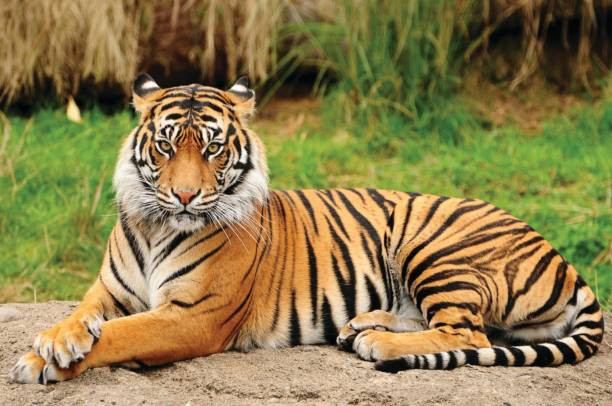
Royal Bengal Tiger
The Royal Bengal tiger is a population of the Panthera tigris tigris subspecies. It ranks among the largest of wild cats. It is distributed from India, southern Nepal, Bangladesh, Bhutan to South western China. Its historical range extended to the Indus River valley until the early 19th century, and it is thought to have been present in the Indian subcontinent since the Late Pleistocene about 12,000 to 16,500 years ago. It is threatened by poaching, habitat loss and habitat fragmentation.
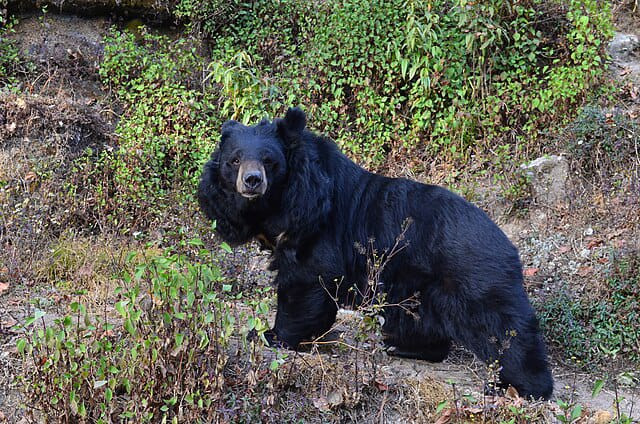
Himalayan black bear
The Himalayan black bear (Ursus thibetanus laniger) is a subspecies of the Asian black bear. It is distinguished from U. t. thibetanus by its longer, thicker fur and smaller, whiter chest mark. The species is considered an ecological indicator and a keystone species of the environment. The species plays a vital role as a primary seed disperser in maintaining the stability of the ecosystem. On average, they measure from 56 to 65 inches (140 to 170 cm) nose to tail and weigh from 200 to 265 pounds (91 to 120 kg), though they may weigh as much as 400 pounds (180 kilograms) in the fall, when they are fattening up for hibernation.
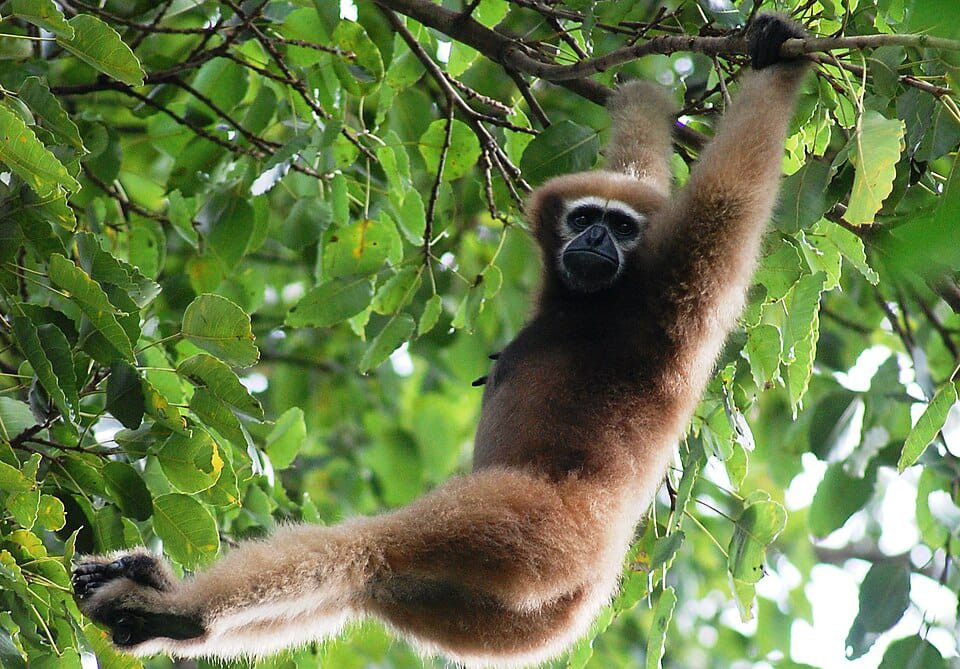
Hoolock gibbon
The hoolock gibbons are three primate species of genus Hoolock in the gibbon family, Hylobatidae, native to eastern Bangladesh, Northeast India, Myanmar, and Southwest China.
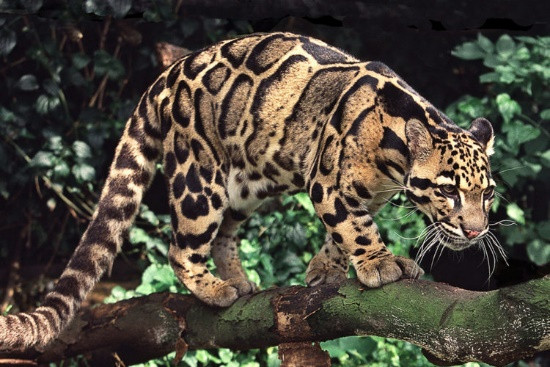
Clouded leopard
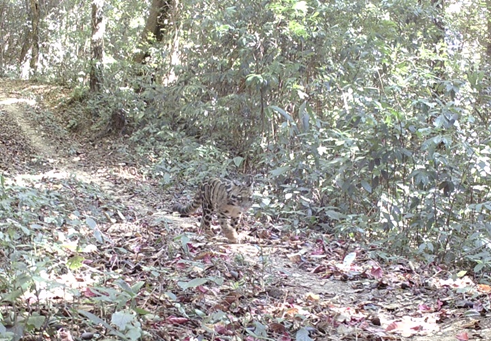
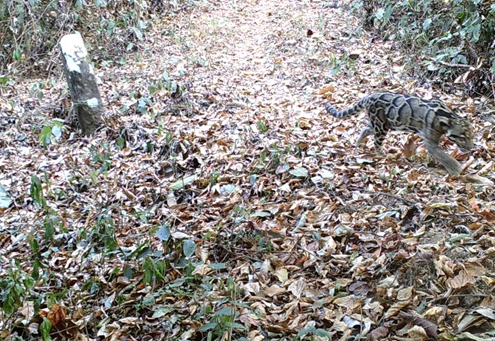
The clouded leopard (Neofelis nebulosa), also called mainland clouded leopard, is a wild cat inhabiting dense forests from the foothills of the Himalayas through Northeast India and Bhutan to mainland Southeast Asia into South China. The clouded leopard has large dusky-grey blotches and irregular spots and stripes reminiscent of clouds. Its head-and-body length ranges from 68.6 to 108 cm (27.0 to 42.5 in) with a 61 to 91 cm (24 to 36 in) long tail. It rests in trees during the day and hunts by night on the forest floor.
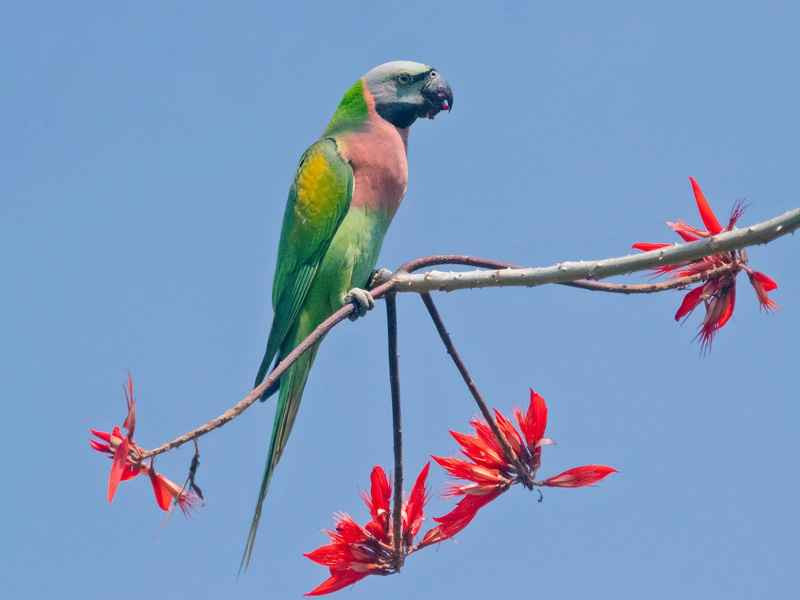
Red-breasted parakeet
The red-breasted parakeet is a parrot native to Southeast Asia. It is among the more widespread species of the genus and is the species which has the most geographical variations. It is easily identified by the large red patch on its breast. An alternative name is the moustached parakeet depending on subspecies.
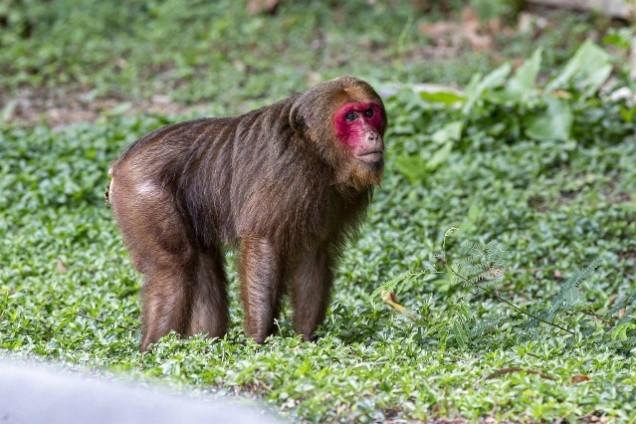
Stump-tailed macaque
The stump-tailed macaque (Macaca arctoides), also called the bear macaque, is a species of macaque native to South Asia and Southeast Asia. In India, it occurs south of the Brahmaputra River, in the north eastern part of the country. Its range in India extends from Assam and Meghalaya to eastern Arunachal Pradesh, Nagaland, Manipur, Mizoram and Tripura.
Exotic Animals & Birds:
Mizoram has international boundary with two countries viz. Myanmar (404kms) and Bangladesh (318 kms) along with three interstate borders viz. Assam, Tripura and Manipur. Due to its location and the above mentioned national and international borders, it acts as a hotspot and major trade route for many animals and various articles derived from these animals. In the recent past, numerous live animals were captured in these borders by Forest dept. in collaboration with Customs Department, Police Department, CYMA Anti-Drug Squad, DRI (Directorate of Revenue Intelligence) and NGOs. The first seizure of exotic animals and birds took place on 7th July, 2019 by the Border Security Force in Khamrang, Aizawl District. There are no holding facilities in the state for these captured animals, neither for their quarantine. Hence, Aizawl Zoological Park is used for their temporary recue and rehabilitation center.
Due to lack of space and funding, these animals are kept in haphazard condition which leads to death and mortality of many captured animals. The zoo has to continue rehabilitating orphaned, captured and rescued animals and accommodate new arrivals before display / breeding or release. Therefore, construction of new quarantine and rehabilitation is the priority set for conservation and related activities.
Some of the seized exotic animals and birds are:
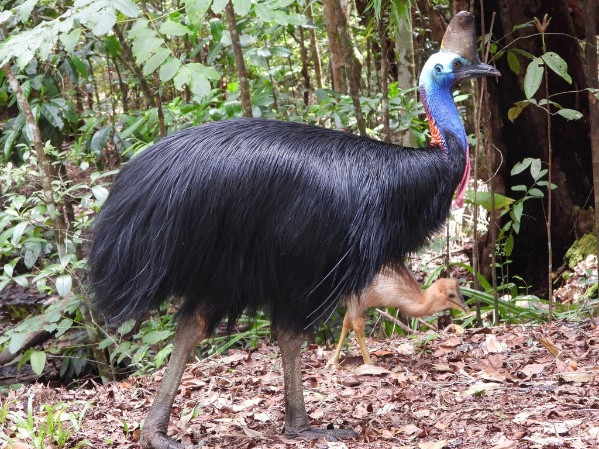
Cassowary
A flightless bird of the genus Casuarius, in the order Casuariiformes. They are classified as ratites, flightless birds without a keel on their sternum bones. Cassowaries are native to the tropical forests of New Guinea (Western New Guinea and Papua New Guinea), the Moluccas (Seram and Aru Islands), and north-eastern Australia.
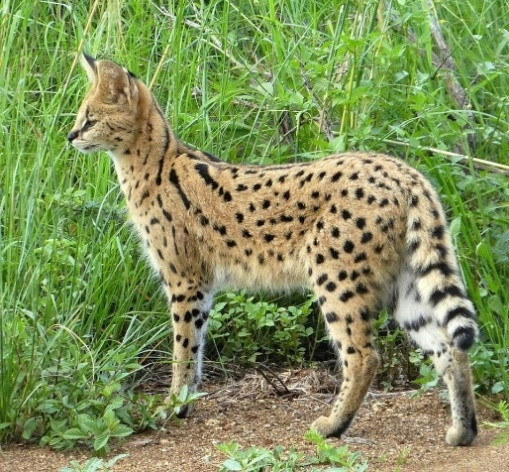
Serval Cat
The serval (Leptailurus serval) is a wild small cat native to Africa. It is widespread in sub-Saharan countries, where it inhabits grasslands, wetlands, moorlands and bamboo thickets. Across its range, it occurs in protected areas, and hunting it is either prohibited or regulated in range countries.
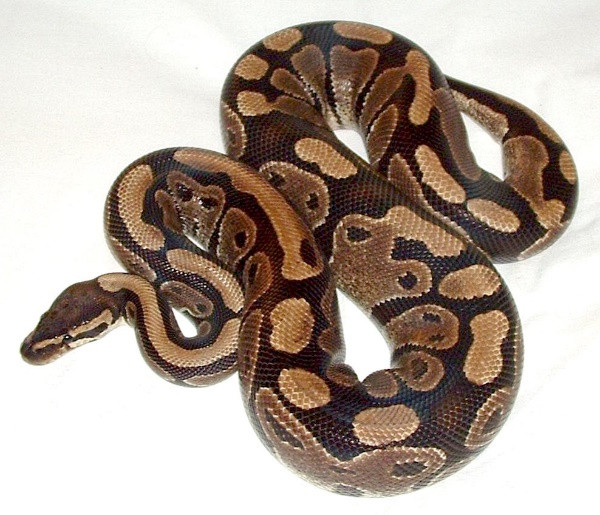
Ball Python
The ball python (Python regius), also called the royal python, is a python species native to West and Central Africa, where it lives in grasslands, shrublands and open forests. This nonvenomous constrictor is the smallest of the African pythons, growing to a maximum length of 182 cm (72 in).The name "ball python" refers to its tendency to curl into a ball when stressed or frightened.
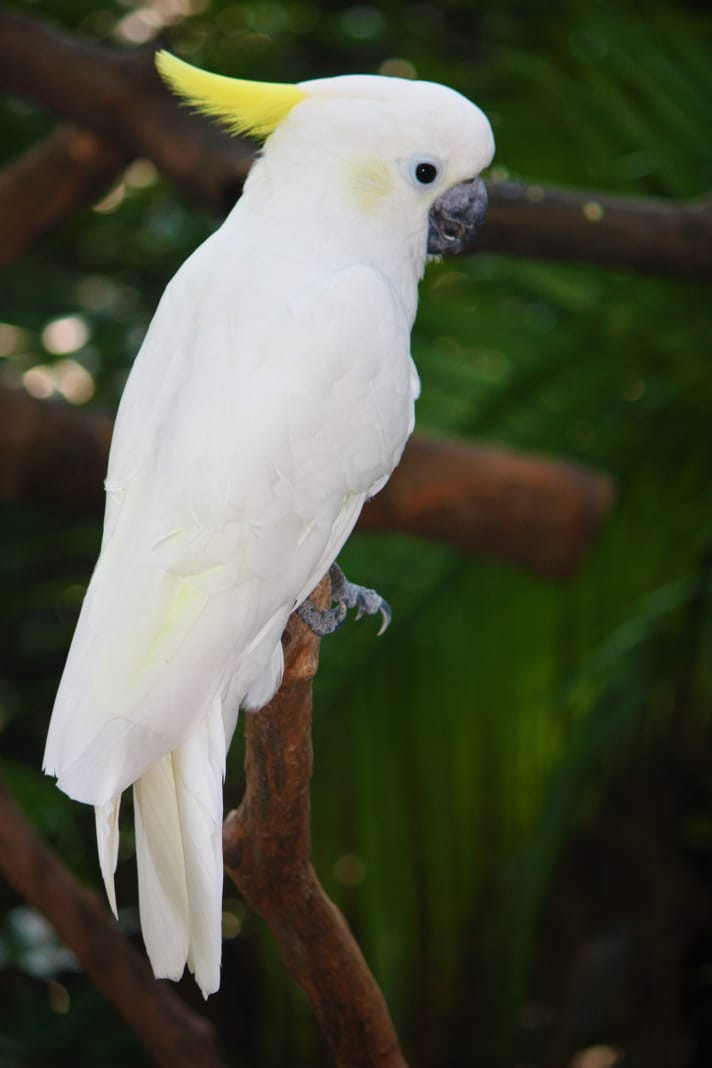
Sulphur-crested cockatoo
The sulphur-crested cockatoo (Cacatua galerita) is a relatively large white cockatoo found in wooded habitats in Australia, New Guinea, and some of the islands of Indonesia. They can be locally very numerous, leading to them sometimes being considered pests. A highly intelligent bird,they are well known in aviculture, although they can be demanding pets.
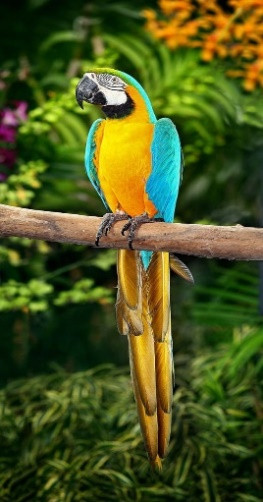
Macaw
Macaws are a group of New World parrots that are long-tailed and often colorful, in the tribe Arini. They are popular in aviculture or as companion parrots, although there are conservation concerns about several species in the wild.
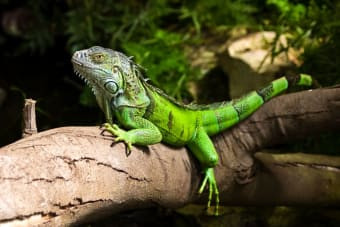
Iguana
Iguana is a genus of herbivorous lizards that are native to tropical areas of Mexico, Central America, South America, and the Caribbean. The genus was first described by Austrian naturalist J.N. Laurenti in 1768. Two species are placed in the genus: The green iguana, which is widespread throughout its range and a popular pet; and the Lesser Antillean iguana, which is native to the Lesser Antilles. Genetic analysis indicates that the green iguana may comprise a complex of multiple species, some of which have been recently described, but the Reptile Database considers all of these as subspecies of the green iguana.
2. TAWI WILDLIFE SANCTUARY
Approach Route of Tawi Wildlife Sanctuary | |||||
Origin | Approach via | Distance (approx.) | Approach to Entry point | Approach via | Distance (approx.) |
1. Aizawl to Chhingchhip | NH-6 &NH2 | 75.3 Km | Chingchhip to Hualtu | NH-2 | 17.1 Km |
Chhingchhip to Hmuntha | NH-2 | 31.1 Km | |||
Hmuntha to Maite | N/A | 8 km | |||
2. Aizawl to Saitual | NH -6 | 70.3 Km | Saitual to Tawizo | N/A | 24 km |
Tawizo to Maite | N/A | 12 km | |||
Tawi Wildlife Sanctuary: Ecological and Cultural Significance
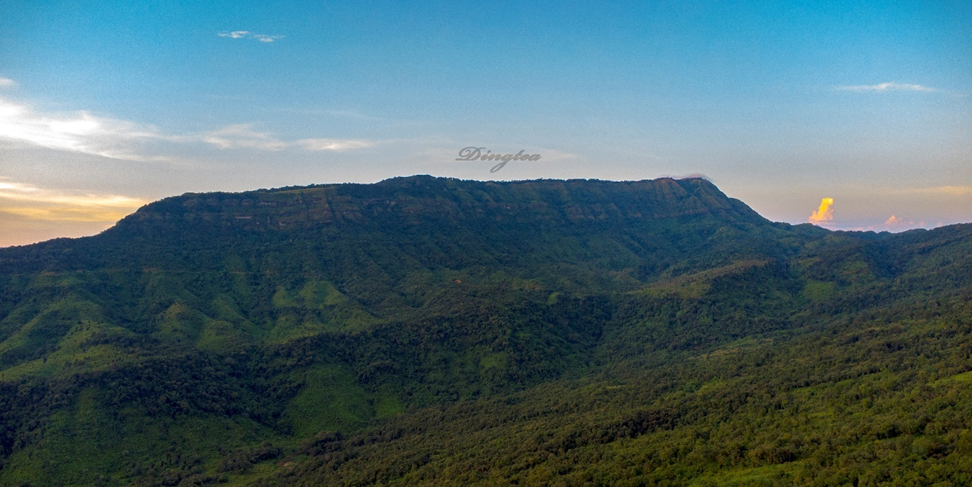
Tawi Wildlife Sanctuary is located at an elevation of approximately 1837 metres (6027 feet) above mean sea level. The sanctuary comprises hill forests with a mixture of semi-evergreen and deciduous vegetation, interspersed with grasslands, caves and ravines, contributing to its ecological richness and diversity. Many streams such as Lunglei kawr, Khawl lui thenngaw kawr, Aupui lui kawr originated from Thorangtlang and drain into Tuikum river which feeds Hualtu village. It is a land where folklore meets geography—each stream, stone and hill echoing the songs of ancestors and stories of survival.
1. Lungphun Kawn
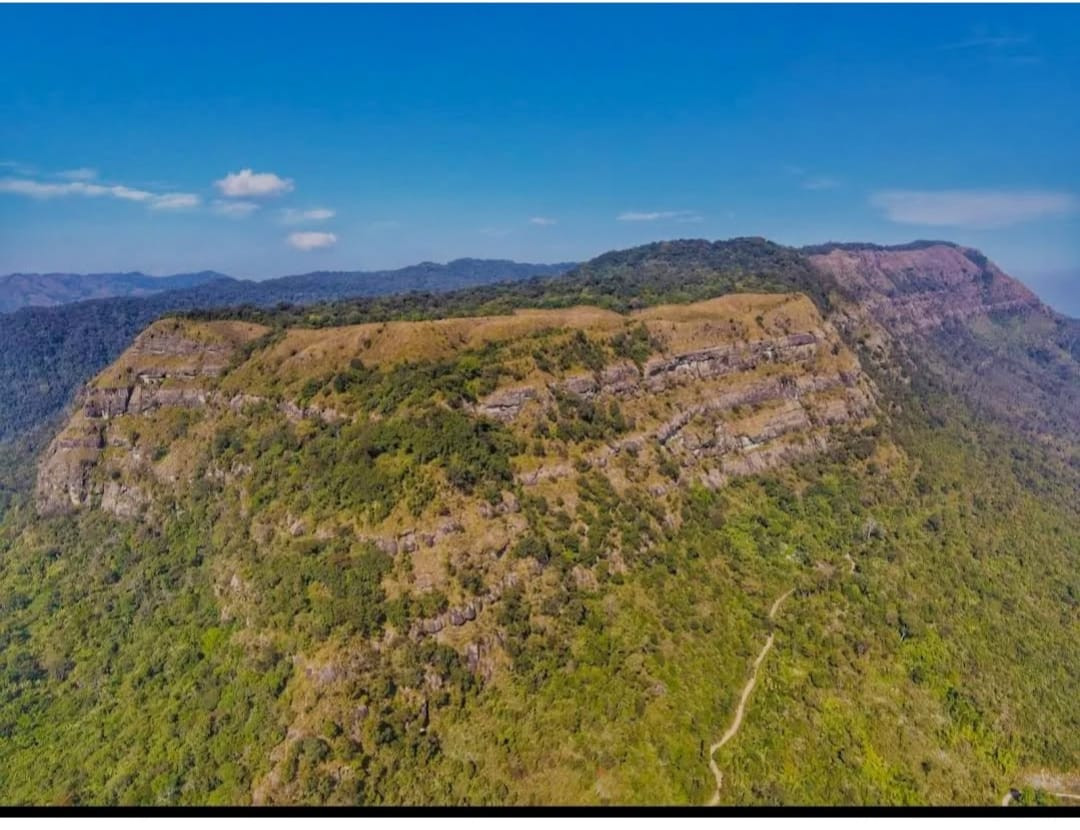
Lungphun Kawn is a commemorative monolith erected at a junction patch, historically serving as a boundary marker between the Chief of Lenchim, Thawnga, and a village headman named Thawmvunga, who was under the jurisdiction of Chief Hrangkunga of Mualpheng. This location lies in the northern section of the sanctuary near the source of the Khuailui River. According to oral history, the headman eventually left the area due to the belief that the cold climate contributed to infertility among women. The abandoned site came to be known as “Thawmvunga’s locale.” Even today, as one enters from the fringe village of Hualtu, the change in temperature is immediately felt—a quiet affirmation of the sanctuary’s unique microclimate and mystique. The area continues to serve as a vital ecological buffer and green lung for the surrounding communities.
2. Vaidan Kham
Vaidan Kham is a prominent cliff historically used as a strategic outpost to prevent invasions, particularly during the attempted British occupation of Hualtu in 1892 led by McCabe. Upon discovering the formidable cliffs surrounding Hualtu from Khumtung, the invading forces diverted their approach through Saitual and ultimately accessed Hualtu village via Tawi Peak. This peak supports native plant species such as Pseudostachyum polymorphum (Chal mau), Caryota urens (Tum), Calamus erectus (Hruizik) and Calamus gracilis (Kawrtai). During the monsoon, the summit forms a natural upland pond—a silent mirror in the sky that reflects the harmony between terrain and time.
3. Tawi Puk (Tawi Cave)
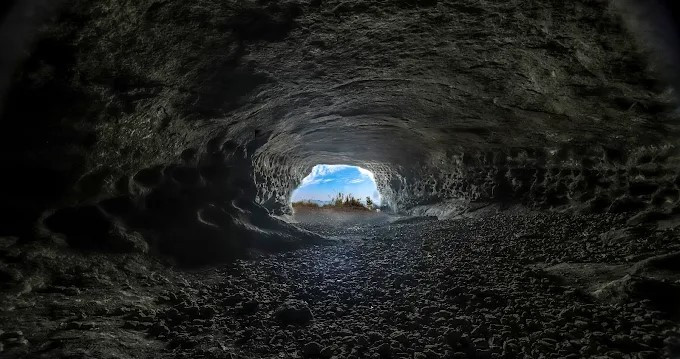
Tawi Puk is a significant cave situated on the southern side of the sanctuary, overlooking the Hmuntha fringe village in the south west direction. It measures approximately 11.6 feet in height, 53 feet in width, and extends up to 85.3 feet in depth, narrowing to a height of 3 feet at the rear. During the 1966 insurgency led by the Mizo National Front, specifically the Chawngbawla Battalion, the cave was utilized as a secure hiding place due to its acoustic isolation and single entry point. Today, Tawi Puk serves as a notable tourist and educational site, attracting students, researchers and adventurers. Its entrance offers scenic views extending to Champhai and the Burma border.
4. Lung Dawrawn
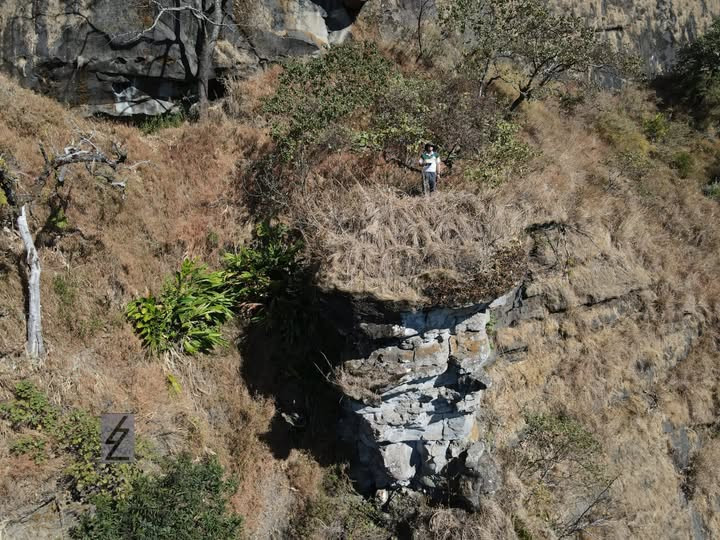
Lung Dawrawn is a cliff formation that resembles the traditional Mizo “dawrawn,” a closely woven basket used for storing and transporting produce. Suspended from the edge of the hills like a relic of craftsmanship, this rock overhang is a favoured destination among adventure tourists and reflects the natural integration of cultural identity with the physical landscape.
5. Khawisang Puk
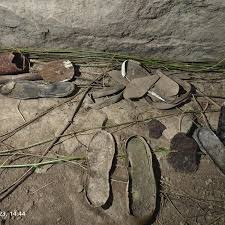
Located near the origin of the Saza River, in the former territory of Hmuntha village, Khawisang Puk is among the more secluded yet significant caves of the sanctuary. During the forced regrouping of villages in the late 1960s to counter insurgency of Mizo National Front uprising in Mizoram, many residents were relocated to Chhingchhip. However, Pu Sawithuama and his family managed to remain in the area, using this cave as their residence. Remnants of their habitation such as a rice paddle and a worn shoe, remain preserved within the cave, offering insight into the socio-political history of the region.

Historical & Folkloric Significance of Hualtu Region
1. Hualtungamtawna:
Hualtungamtawna was celebrated as a skilled huntsman, a valiant warrior, and a sorcerer of repute. Folklore holds differing accounts of the origin of Hualtu’s name—some say it was named in his honor, while others believe it derives from the rugged ridges and cliffs encircling the village. His second wife “Keihmingi” was reputedly the daughter and sister of the Keimi, “tiger-persons” endowed with the mystical ability to transform into tigers at will. Hualtungamtawnga killed her brothers. So, when she became pregnant, she demanded the meat of the Nghalphusen (a formidable wild boar) to avenge her brothers.
Hualtungamtawna set out to hunt this beast in the Thorangtlang ranges, where his fate was sealed. During the fierce battle, he leapt from tree to tree, having cast protective spells on each one. Yet he overlooked the Phuanberh tree (Macropanax undulates); when he landed upon it, the branch snapped, sending him plummeting to his death.
2. Nghalphusen:
The Nghalphusen was a legendary giant wild boar of the region, leaving a lasting mark on the landscape. Its foraging created distinctive ground disturbances, remnants of which can still be seen in places such as Leikhak Ram, on the outskirts of Vengthar locality of Hualtu, Senram near the spot where Hualtu’s dog is said to have birthed her litter, the Tawi Hills and the Awobial area of Maite village.
3. Ngama’s Stone :
The name comes from Hualtungamtawnga, affectionately known as Ngama. A striking flat monolith still stands, bearing life-sized carvings: Ngama himself (6.6 ft), his first wife Zawltling (5.8 ft) and his second wife Keihming (5.1 ft), along with other symbolic engravings. This stone is a testament to the community’s artistry and commemoration practices.
4. Site Where Ngama’s Dog Had a Litter:
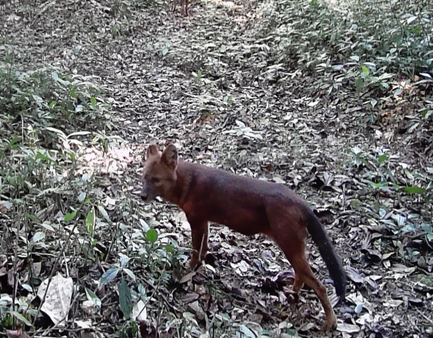
Local lore tells of Ngama’s dog, believed to have been a wild Dhole (Cuon alpinus), giving birth in a distinctive geological feature resembling a round earthen pot buried to its brim. The hollow is approximately 3 ft deep, with the protruding circular rim measuring 11.2 ft in perimeter and 5.10 ft in diameter. This site remains a tangible connection to the blend of natural wonder and mythic narrative that shapes Hualtu’s identity.
Tawi Wildlife Sanctuary holds significant ecological, historical and cultural value. It serves not only as a habitat for diverse wildlife species but also as a living repository of local heritage and ancestral memory. The sanctuary is an ideal location for conservation, research and nature-based tourism initiatives.
Forest Types :
- Sub-Tropical Hill Forests and
- Tropical Semi Evergreen Forest
Fringe villages include:
- Mualpheng
- Tawizo
- Hmuntha
- Hualtu
- Lenchim
- Maite
Tree species :
Ṭhil (Quercus polystachya) Fah (Lithocarpus dealbata) Khiang (Schima wallichii), Thingpawnchhia (Glochidion khasicum), Thal (Quercus lineata) Batling (Wendlandia grandis), Sunhlu (Phyllanthus emblica), Keifang (Myrica esculenta), Hnahkhar (Macaranga denticulate), Keipui (Prunus jenkinsii), Sial hma (Helicia excelsa)
Grass species :
Di (Imperata cylindrical), Thang chi khat (Setaria pumila), Rawngal (Schizostachyum fuchsianum),Phar (Chimnobambusa callosa).
Medicinal Plant species:
Sekhupthur (Begonia lushaiensis), Thasuih (Lindernia ruellioides), Nauban (Orchid), Kelbaan (Plantago major), Sarzuk (Elaeagnus pyriformis), Bihar hlo/Sadama hlo (Eupatorium adenophorum), Thingsia (Castanopsis tribuloides) Aidu (Amomum dealbatum) Sunhlu (Phyllanthus emblica), Sai ha nawh(Ficus cyrtophylla), Ar changkawm (Oroxylum indicum ),Khawmhma (Rhus semialata)
Others common species include: Builukham (Osbeckia chinensis), Lehngo (Debregeasia longifolia), Nghalchhun (Eriobotrya bengalensis),Hmunphiah (Thysanolaena maxima), Thualthu (Meizotropis buteiformis), Sai(Artemisia indica), Builukham (Osbeckia chinensis), Sar-zuk te (Elaeagnus pyriformis),Tum (Caryota urens),Thengngo ( Castanopsis echinocarpa), Hnum (Engelhardtia spicata), Tiar (Saurauia punduan), Chang el (Musa sylvestris)
Animals:
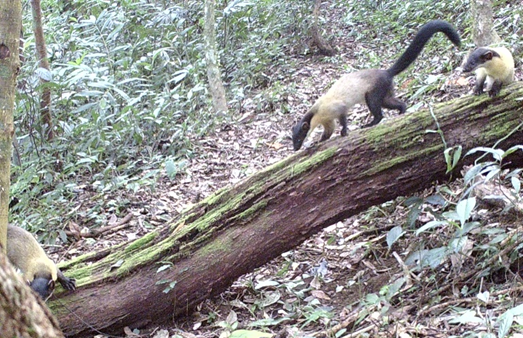
Awwrang -Malayan giant Squirrel(Ratufa bicolor gigantean), Chinghnia-Dhole or Wild Dog(Cuon alpinus), Hauhuk -Western Hoolock Gibbon(Hoolock hoolock), Keisen-Golden Cat(Catopuma temmincki), Kelral / Zawngral-Clouded Leopard(Neofelis nebula), Phivawk -Hog badger(Arctonyx collaris), Sa Te / Nhgar rang-Marbled Cat (Pardofelis marmorata), Sa Uak-Jungle Cat(Felis chaus), Safia-Yellow throated Marten (Martes flavigula), Sahaui-Bengal Slow Loris(Nycticebus bengalensis), Sahmaitha-Chinese Ferret Badger (Melogale moschata), Sahmaitha-Large toothed(Sorex macrodon).
Birds :
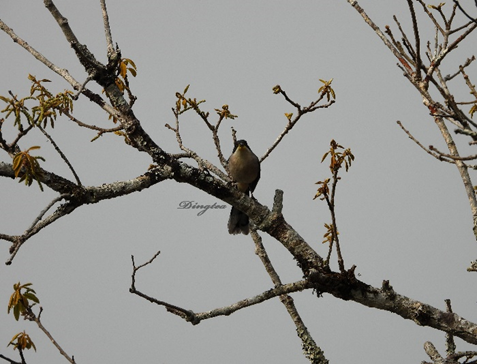
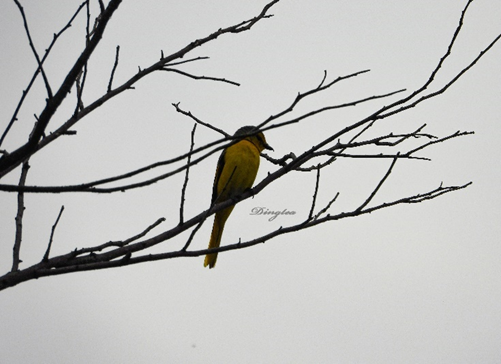
Ram-ar (Gallas gallas), Vahrit(Lophura leucomelana williamsi), Thloh (Dendrocopos darjellensis) , Wreath Hornbill (Rhyticeros undulatus), Chhimbuk (Ninox scutulata), Ramparva (Chalcophaps indica), Muvanlai (Spilornis cheela), Chhawlhring (Chloropsis aurifrons), Bawng (Coracina macei), Vasir (Heterophasia gracilis), Kireuh (Arachnothera magna),
3.KHAWNGLUNG WILDLIFE SANCTUARY
Approach Route of Khawnglung Wildlife Sanctuary | |||||
Origin | Approach via | Distance (approx.) | Approach to Entry point | Approach via | Distance (approx.) |
1. Aizawl to Rawpui | Via World Bank Road | 122.9 Km | Rawpui to Pangzawl | NH-2 | 11.3 Km |
Via NH2 | 133.6 km | Rawpui to Pangzawl | NH-2 | 11.3 Km | |
2. Aizawl to Sialsir | Via World Bank Road | 148 km | Sialsir | ||
Via NH2 | 159 km | Sialsir |
| ||
The History of Khawnglung and the Khawnglung Run
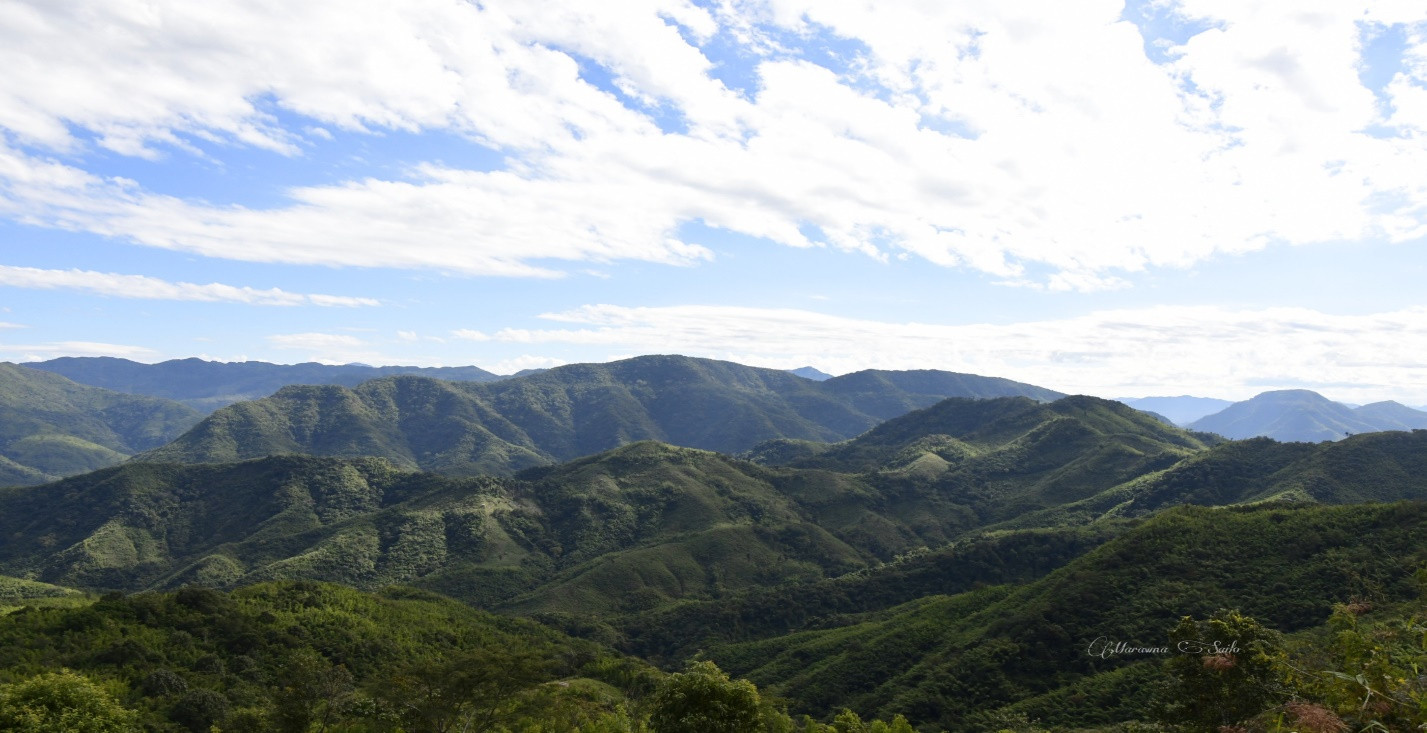
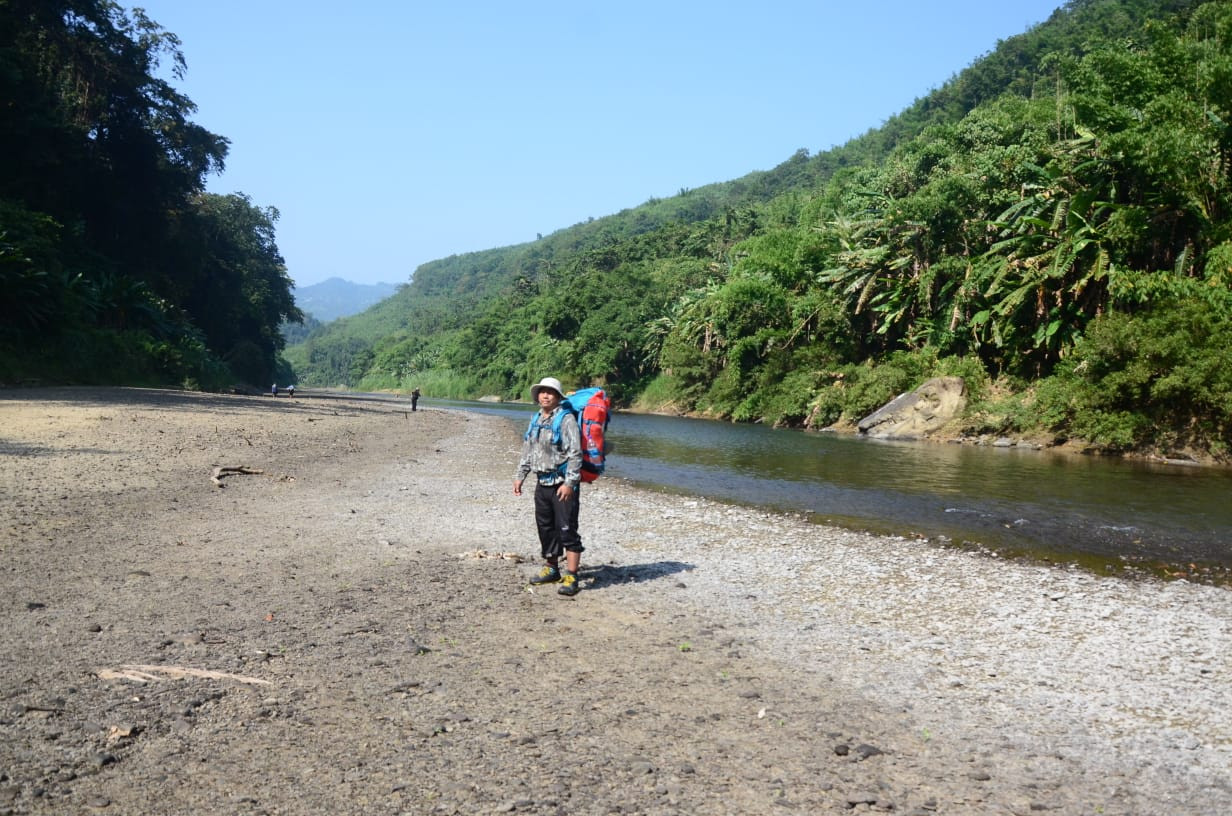
In the 1800s, a prominent village named Khawnglung stood atop the hill that now forms part of the Khawnglung Wildlife Sanctuary. The village boasted around 300 households and was ruled by Chief Lalthuama. The name Khawnglung traces its origins to the Khawng clan, believed to have first settled in the area during the late 17th to early 18th century (circa 1680–1730s). Situated at an elevation of approximately 1300 meters above mean sea level, Khawnglung is a hilly terrain flanked by Tuichang rivers hailing Khawnglung on the north eastern boundary and cutting the Khawnglung hills in the middle and then flowing along the south western boundary and enclosed it by steep cliffs. The area’s natural fortification made it a strategic settlement, difficult to access and easily defensible.
Khawnglung became the site of a major historical conflict when it was raided by a coalition of rival forces led by the Sailo Chief Vuttaia, along with his allies — the Zahau clan and Chief Khawtindala of Khuanghlum. This alliance was fueled by deep-rooted grievances and territorial disputes.
Interestingly, Chief Khawtindala’s father, the Fanai clan Chief Lalrorehlova, had once ruled Khawnglung during the 1810s. After his death, his widow requested that his burial take place in Lungchhuan, rather than across the Tuichang River where they had temporarily relocated before settling in Khuanghlum.
Tuichang River:
Between 1849–1859, a new leadership emerged in Khawnglung when Chief Thuama, a descendant of Rolura, Chief of the South, settled in the area. His governance soon sparked conflict. When he demanded a tax on paddy from Chief Khawtindala, the latter refused and escalated the matter to his extended relative, Zahau Chief Zahuata of Thantlang.
The tension deepened with another conflict involving "Buan Ram", a fertile and beautiful highland area located between present-day Sialkhar and Thentlang villages. This dispute was between Chief Thuama and Vuttaia, the youngest son of Sailo Chief Lallula of the North.
The Assault on Khawnglung Village
These successive disputes ultimately culminated in an alliance of aggrieved village chiefs — Vuttaia, Zahuata, and Khawtindala — who united to launch a coordinated assault on Khawnglung.
At dawn, while the villagers were still asleep, the allied forces broke into Khawnglung, leading to a devastating massacre and the capture of many villagers. This event became etched in Mizo history as the infamous "Khawnglung Run" (The Raid of Khawnglung).
Given the village’s naturally defensible position- the attackers daringly scaled the cliffs in a secret and dangerous ascent—setting the stage for a deadly ambush from an entry point now identified as Chhohê Li/ Chhohê Cliff.
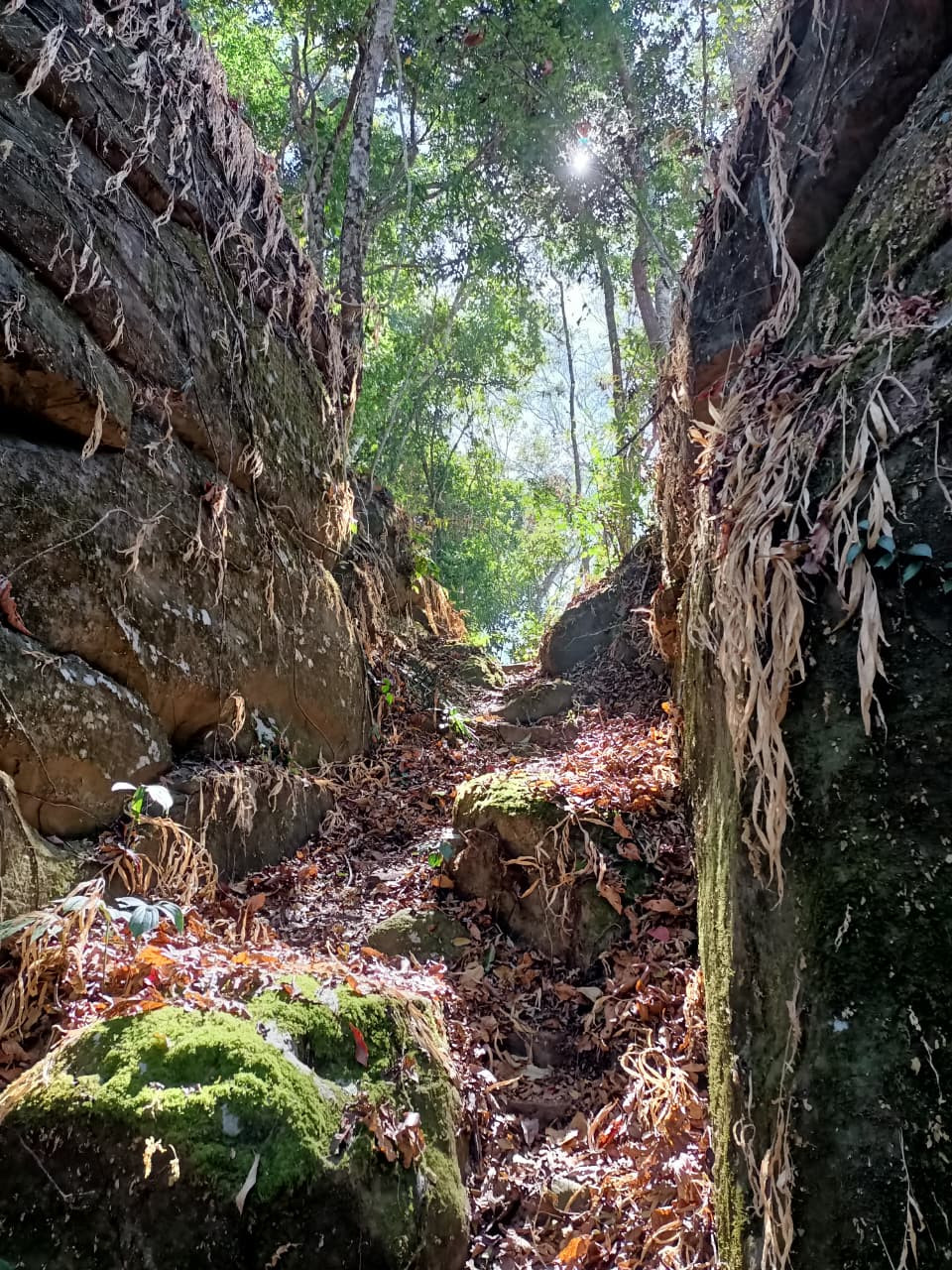
Lungdai rocky passage at the peak of Khawnglung
The Tragic Tale of Chalkunga and Thanghniangi
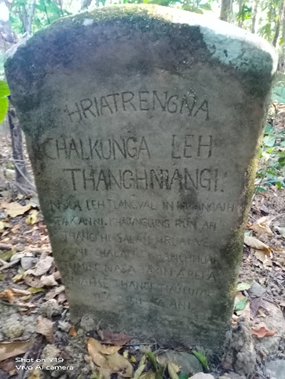
Intertwined with the tragedy of the invasion is the deeply moving love story of Chalkunga and Thanghniangi. Chalkunga, a young warrior, returned to Khawnglung from his uncle’s village only to find his home destroyed and his beloved captured.
Determined to save her, Chalkunga embarked on a perilous rescue mission. However, his efforts ended in heartbreak when Thanghniangi tragically died in the Tiau River during their escape attempt. Their story, forever tied to the tragedy of Khawnglung Run, remains one of the most poignant tales in Mizo folklore — a timeless narrative of love, courage and loss.
The Forest Types, Champion and Seth classified the area as ---
- Tropical Wet Evergreen Forests (1B/C3)
- Tropical Semi- Evergreen Forests and (2B/C2
It has 7 fringe villages considered as beat viz,
- Rawpui
- Pangzawl
- Bungtlang
- Sialsir
- Lungchhuan
- Chawngtui.
Tree species :
Hmawng (Ficus religiosa), Taitaw (Spondias pinnata), Sunhlu (Phyllanthus emblica), Bungbu Tuairam (Garuga pinnata), Thlanvawng (Gmelina arborea), Bil (Protium serratum), Theitat (Artocarpus lacucha), Tatkawng (Artocarpus chama), Sahatah (Aglaia spectabilis), Lenhmui, (Syzygium cumini), Thingsia (Castanopsis tribuloides), Theihai (Mangifera indica), Theipui (Ficus semicoradata), Thil(Quercus polystachya), Fah(Lithocarpus dealbata), Theitit (Ficus postrata)
Medicinal Plants :
Hnahkiah (Calicarpa arborea), Chhawntual (Aporusa octandra), Khawitur, (Hydnocarpus kurzii), Thuamriat (Alstonia scholaris), Theiarlung (Prunus undulata), Thakpui (Dendrocnide sinuate), Sunhlu (Phyllanthus emblica), Kelhnamtur (Hedyotis capitellata). Sekhupthur (Begonia lushaiensis). Saisu (Ensete glaucum), Hruivankai (Tinospora sinensis), Anchiri (Homalomena aromatic), Vako (Thunbergia grandiflora), Khauchhim (Cissampelos pareira), Kelba-an(Plantago major), Archangkawm (Oroxylum indicum)
Animals :
Awwrang-Malayan giant Squirrel (Ratufa bicolor gigantean), Bui sen-Bay bamboo rat or lesser bamboo rat (Cunnomys badius badius), Chinghnia-Dhole or Wild Dog (Cuon alpinus), Dawr-Phayre’s Langur or Phayre’s Leaf / Spectacled Monkey (Trachypithecus obscurus phayrei), Hauhuk-Western Hoolock Gibbon (Hoolock hoolock), Hleikapsen Red bellied Palla’s Squirrel (Callosciurus erythraeus erythrogaster), Hleilu bial-Orange bellied Himalayan Squirrel (Dremomys lokriah), Keisen Golden Cat (Catopuma temmincki), Clouded-Leopard (Neofelis nebula), Mangtir / Samang-Sun Bear (Helarctos malayanus),Phai-zawng-Rhesus Macaque (Macaca mulatta), Phivawk-Hog badger (Arctonyx collaris), Sa Uak-Jungle Cat (Felis chaus), Safia-Yellow throated Marten (Martes flavigula), Sahaui-Bengal Slow Loris (Nycticebus bengalensis).
Birds :
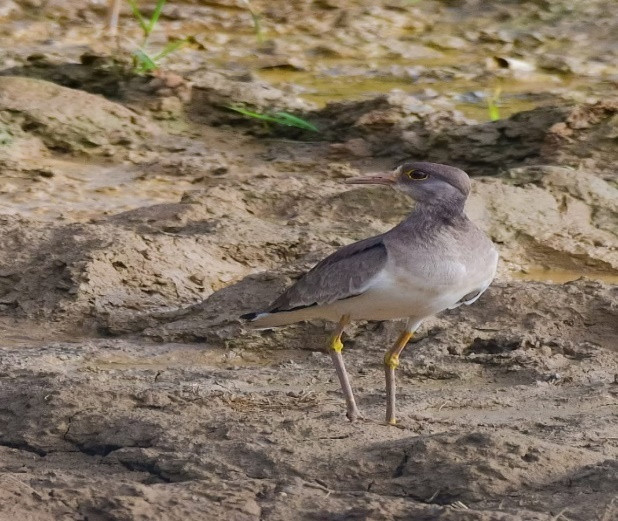
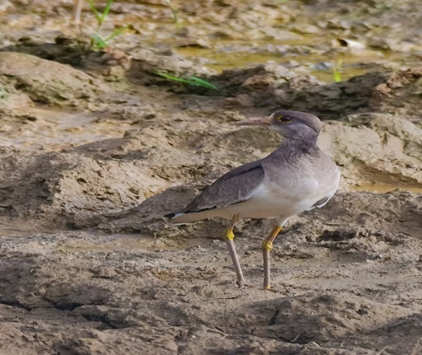
Chhawlhring golden fronted leafbird (Chloropsis aurifrons), Hrangkir phawngphawdawt collared pygmy owlet (Glaucidium brodiei), Lalruanga sehnawt te chi va darkhuang- Lesser coucal (Centropus benghalensis), Ramar Red Jungle fowl (Gallus gallus), Ramparva- Emerald dove (Chalcophas indica), Vahrit-Black crested Khallej pheasant (Lophura leucomelana lathami), Varalthi- Red headed Trogon ( Harpactes erythrocephalus), Kanghlai-Black Stork (Ciconia nigra), Grey-headed Lapwing (Vanellus cinereus)
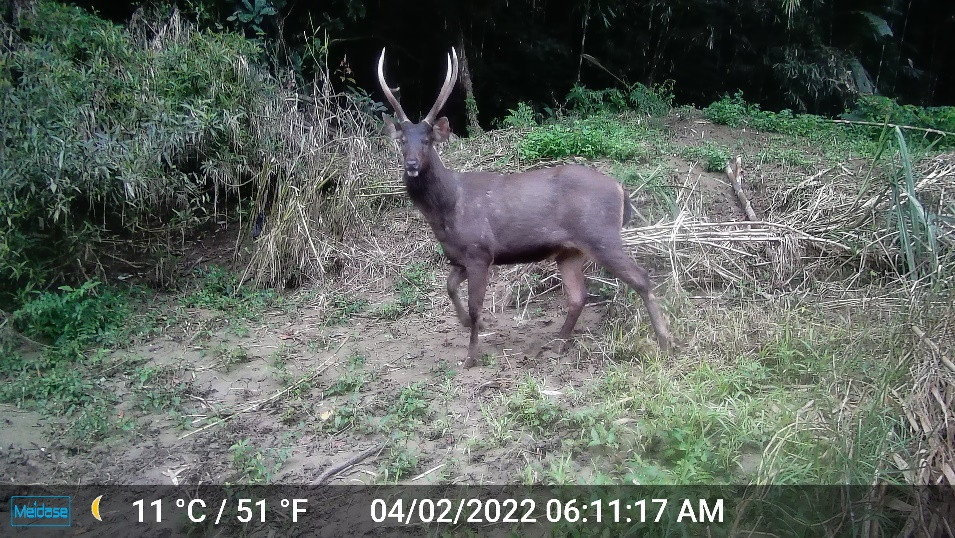
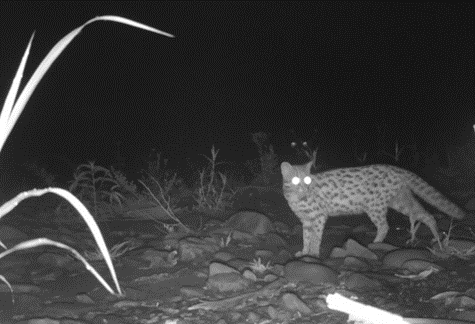
4. THORANGTLANG WILDLIFE SANCTUARY
Approach Route of Thorangtlang Wildlife Sanctuary | |||||
Origin | Approach via | Distance (approx.) | Entry point | Approach via | Distance (approx.) |
1. Aizawl to Thenhlum | Via World Bank Road | 165 Km | Thenhlum | NH-2 | 11.3 Km |
Via Darlung Road | 121.4 km | Thenhlum | NH-2 | 11.3 Km | |
2. Aizawl to Lunglei | Via World Bank Road | 164.6 km | Lunglei to Thenhlum | 147 km | |
3 Aizawl to West Phaileng | Via 108 | 82.3 km | West Phaileng to Zopui | 40.4km | |
Thorangtlang Wildlife Sanctuary – A Living Archive of Nature, History, and Legend
Perched at approximately 1,396 meters above mean sea level, Thorangtlang Wildlife Sanctuary stands as a proud north–south mountain ridge, ending in a dramatic cliff at its northern edge. The name Thorangtlang—from tho (fly), rang (stripe) and tlang (mountain)—recalls the large striped flies once abundant here, a small yet vivid reminder of the intricate biodiversity woven into its history.
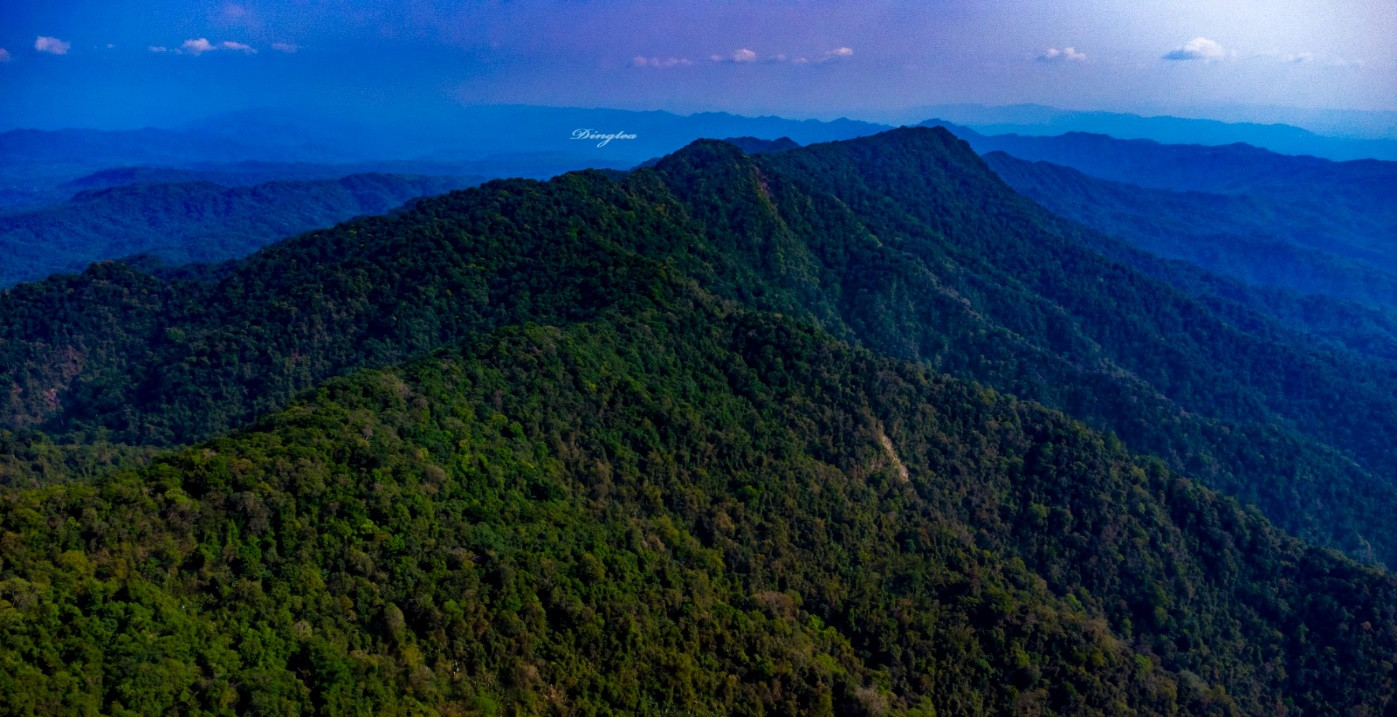
From the southern ridges of Thorangtlang, two significant rivers take their source. The Kau River flows southward to merge with the Kau Tlabung River, which powers a hydel project downstream. Along its course lies the scenic Kau Tlabung Falls, a well-known tourist attraction in Thenhlum, a fringe village of the sanctuary.
From the central southern ridges emerges the Tut River, which flows south before bending eastward, tracing the sanctuary’s eastern boundary for nearly 35 kilometres.
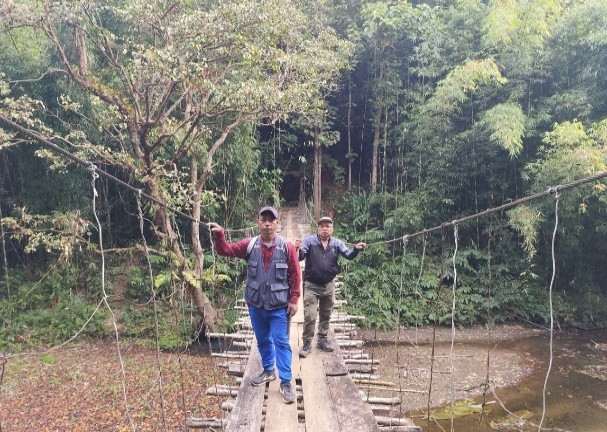
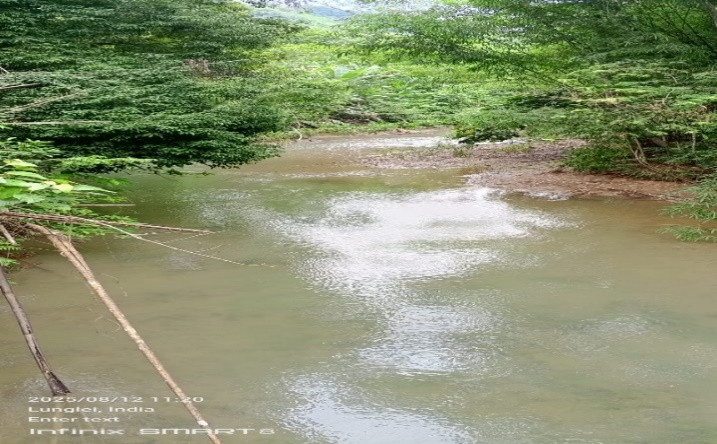
On the high slopes of the north western corner, the Mar River touches and runs along the sanctuary’s north western boundary for approximately 11.5 kilometres before crossing Marpara into Bangladesh. Another tributary, the Lungpum River, rises from boundary area between Bunghmun and Tleu in the mid-western hills, following the sanctuary’s northern edge for over 10.5 kilometres before joining the Mar River.
Numerous smaller streams — including Zawngngo Lui, Hmeithai Lui, Zawngek Lui, Tumtuk Lui and Pualhrang Lui — flow down the western slopes while Bankaih Lui, Tlubing Lui and Phekphe Lui drain the eastern ridges. These watercourses feed into the larger river systems surrounding Thorangtlang, sustaining rich ecosystems that extend far beyond the sanctuary’s boundaries.
Historical and Ecological Significance
Before its official designation as a Wildlife Sanctuary in 2001, Thorangtlang served as a vital elephant sanctuary and a migratory corridor linking the forests of Mizoram to those of Bangladesh. It also holds deep historical resonance as the site of the last known rhinoceros in Mizoram, tragically killed near a Dampui village that now lies within the sanctuary.
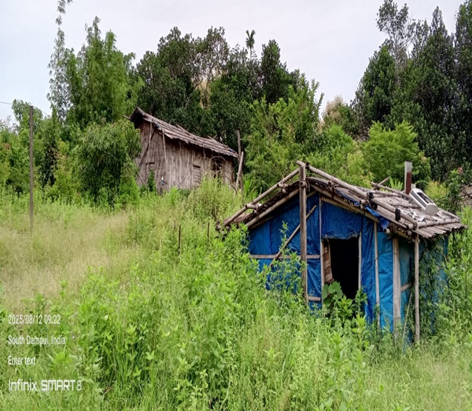
The sanctuary’s formation brought profound change to human settlement patterns. Three villages— Darngawn West, Kawnpui West and Dampui South—were relocated to make way for its protection:
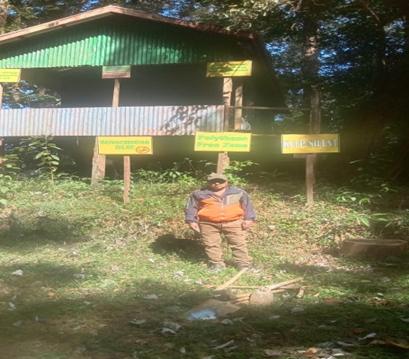
1. Darngawn West – Founded in 1930 by Chief Selmanga Sailo after moving from Rawsai Hills, this village of about 100 households was relocated in 2017. Vestiges of its past remain: two Anganwadis under ICDS, two medical quarters and the BCM church. One medical quarter now serves as Anti-Poaching Camp–4.
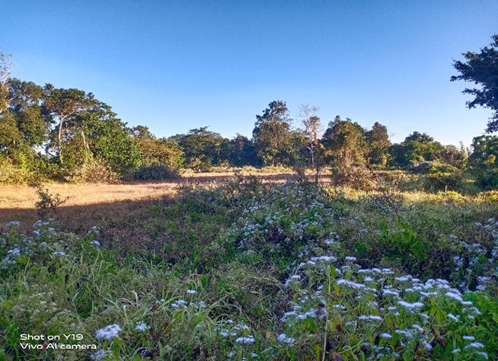
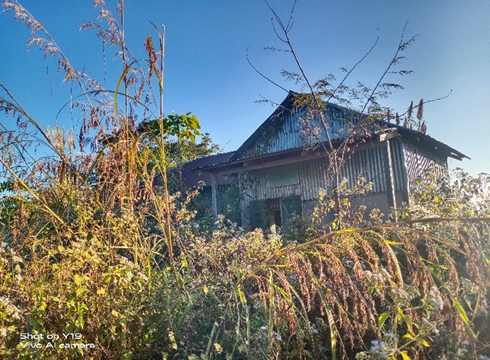
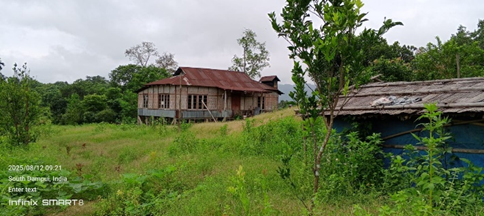
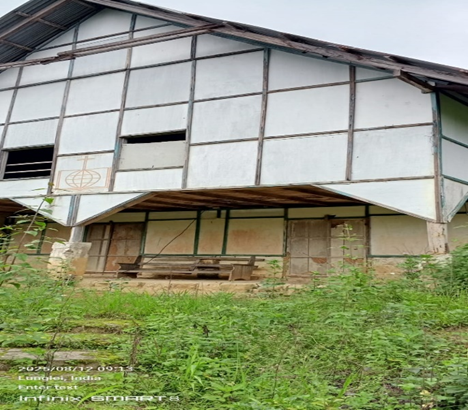
2. Kawnpui West – Founded in 1944 when Laisawral’s Chief Thangvuka carved a land and allocated land for his son Lalfala, the settlement thrived until the abolition of chieftainship in 1954. Around 45 households were relocated in 2017. The site still retains a church, a community hall, partially standing schools and a personal house now used as Anti-Poaching Camp–3. It has exceptionally clear night skies (Air Quality Index in the Good range i.e., 0-50.
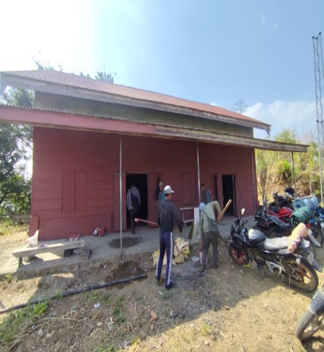
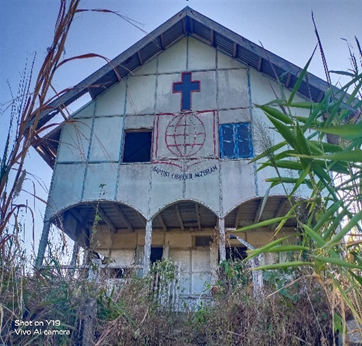
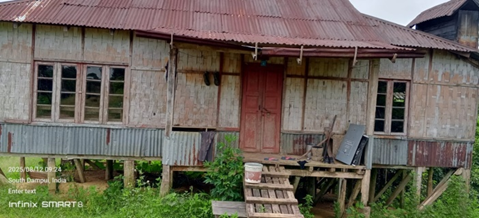
3. Dampui South – Founded in 1895 by Chief Suakliana, it saw the relocation of 56 households in 2011, with six remaining until January 2025. The house of the last vacating family and the village church still stand, offering excellent opportunities for adaptive reuse—such as a new Anti-Poaching Camp
Historically, these villages which was once inside the sanctuary as well as its fringe villages such as Thenhlum, Bunghmun and Tleu—were ruled by chiefs of the Sailo clan, embedding the sanctuary within a larger network of traditional governance.
Biodiversity and Cultural Plant Use
Thorangtlang’s forests are home to valuable palm, cane and bamboo species such as Tum Caryota urens), Buarpui Chempai(Trachycarpus fortune), Thangtung (Arenga pinnata), Ngai (Dracaena cambodiana), Zawng lakhuih (Benstonea foetida), Siallu (Borassus flabellifer) and Meihle (Caryota mitis) Sairil (Melocalamus compactiflorus), Kawrtai (Calamus gracilis), Changdam (Calamus tenius), Raichhawk (Calamus jenkinsianus),Thilthek (Calamus tenuis), Mawt (Plectocarpia khasiana), Saimanhnang (Cephalostachyum manii), Hnahbawr (Calamus latifolia), Hruipui (Calamus khasianus), Mitperh (Calamus acanthospathus), Phulrua (Dendrocalamus hamiltonii), Rawmi ( Dendrocalamus sikkimuiensis), Phulrua (Dendrocalamus longispathus) and Mautak (Melocanna baccifera)—flourish here.
The name Saimanhnang itself tells a tale: “Sai” (elephant) + “man” (catch) + “hnang” (rope material)—recalling the era when dense stands of this plant used to snare elephants trespassing it.
Named Landmarks
The sanctuary’s landscape is rich in named sites that weave together ecology, daily life and tradition:
1. Raw Mi Tui – A perennial spring and source of the Tut River, encircling Dampui South. Rawmi refers to Dendrocalamus sikkimiensis bamboo; tui means water. Anti-Poaching Camp–2 draws its drinking water here.
2. Vaawkkawn Kawn – Once abundant with vaawk - the Rufous-necked Hornbill (Aceros nipalensis) and the site was named after the birds.
3. Saihuai Ram – “Land of the Slow Loris,” a habitat of bamboo-bordered grasslands between the dense thickets.
4.Airawh Kawn – A crab-roasting site near the Kau River’s source. Crabs here reach remarkable sizes—up to 13 inches across.
5. Kawn Zau – A meadow-like clearing beyond Airawh Kawn.
6. Chengkek tlang – Rich in the chengkek (Garcinia lanceifolia) and hence designate the hill base of it.
7. Lungchhir Bi – A stepped structure ascending a hill in Thorangtlang.
8. Pate Tar Tlang – Site of a British-era wooden pillar marking during the mid 1870’s post the 1871 invasion of Lenchim village, fringe village of Thorangtlang Wildlife sanctuary
9. Samak Kahna Kawn – The site where “Samak,” the last known rhinoceros in Mizoram, was killed. The phuanberhpui tree ( Ailanthus intergrifolia) used as the hunter’s stand still grows there and the ground remains barren to this day. Near Thenhlum village lies Samak Kawn, another site linked to rhino history.
10. Phungkua – A cave associated with the phung, a mythical, disheveled-haired female spirit believed to bring misfortune.
Folkloric Tales Linked to Thorangtlang
In Mizo folklore, Mualzavata is remembered as a mighty giant whose strength was legendary. His name itself tells his story: mual means hillock, za means hundred and vata means slasher — for he was said to slashed down a hundred hillocks in a single day to clear land for his jhum fields.
On one of his journeys to Thorangtlang, Mualzavata dropped his small whetstone between Bunghmun and Sesawm. That very stone, still lies by the roadside to this day.
It is told that Mualzavata would sunbathe in the morning at Khawthlir Tlang, leisurely smoking his tobacco pipe. Directly before the ridgeline of Thorangtlang rise the mountain ridges of present-day Mamit district, separated by the Mar River. There, Mualzavata carved the famed Pukzing Cave into the Mamit (West phaileng) mountain ridge — a place later inhabited by Tidemduma, a forest spirit (or forest demon, in older tales) of the South.
Ancient Mizo folklore speaks of three great forest spirits that once ruled over the land. The leader, Sahmula, resided on Tawi Tlang. Tidemduma made Thorangtlang his dwelling and Bilebuta lived deep within the Tuiruang forest, now part of Assam’s Cachar Hills.
A cherished tale tells of how the forest spirit of Thorangtlang gifted a Mungek bird (Falco peregrinus) to the daughter of the Tawi Tlang forest spirit/demon as to serve in her patrilocal residence — a symbol of alliance between these mystical guardians of the forest.
Forest Type of Thorangtlang Wildlife sanctuary:
- Tropical Semi Evergreen Forest
It has 16 fringe villages considered as beat viz,
- Thenhlum
- Phulpui
- Laisawral
- Sesawm
- Bunghmun
- Tleu
- Zopui
- Buarpui
- Bungtlang West
- Dengsur
- S. Khawlek
- New Khawlek
- Changpui
- Hruiduk
- Pukzing vengthar
- Pukzing
Tree Species :
Litsea monopetala (Nauthak), Mesua ferrea (Herhse), Ficus rigida (Sehsen), Dryptes lancifolia (Khawitur), Schima wallichii (Khiang), Castonopsis tribuloides (Thingsia), Morinda angustifolia (Lum), Artocarpus nitiden (Tatte) , Dysoxylum alliaria (Thing-sa-phu), Gmelina arborea (Thlanvawng), Bauhinia Variegata (Vau), Ficus benghalensis (Bung),
Shrubs :
Bridelia monoica (Phaktel), Tabernaemontana divarcaita (Keltebengbeh), Gnetum gnemon (Pelh), Maesa indica (Arngeng), Leeca indica (Kawlkar)
Animals: -
Awrrang-Malayan giant Squirrel (Ratufa bicolor gigantea), Chhim zawng-Indian Rhesus Macaque/Rhesus monkey (Macaca mulatta mulatta), Chinghnia-Dhole or Wild Dog (Cuon alpinus), Dawr-Phayre's Langur or Phayre's Leaf/Spectacled Monkey(Trachypithecus obscurus phayrei), Keisen-Golden Cat(Catopuma temmincki), Kelral/ Zawngral-Clouded Leopard(Neofelis nebulsa), Mangtir /Samang-Sun Bear(Helarctos malayanus), Phai-zawng-Rhesus Macaque(Macaca nulatta), Phivawk-Hog badger( Arctonyx collaris), Sa Te /Nhgar rang-Marbled Cat(Pardofelis marmorata), Sa Uak-Jungle Cat(Felis chaus) Safia-Yellow throated Marten(Martes flavigula), Sahuai-Bengal Slow Loris(Nytricebus bengalensis),Sakhi-Nothern Red Muntjac(Muntiacus vaginalis),Sanghal-Wild Boar/Wild Pig (Sus scrofa),Sanghar/Nghar fang-Leopard cat (Prionailurus bengalensis) Saphu-Chinese pangolin (Manis pentadactyla,) Sarivaithun-Yellow bellied weasel (Mustelia kathiah), Sathar-Chinese Goral (Naemorhedus griseus), Savawm bak buk/ Vawm Tak-Sloth Bear(Melursus ursinus),Saza-Red Serrow (Carpicornis rubidus) Sazaw (Zaw buang)-Masked Palm civet (Paguma larvata), Sazaw (Zaw hang)-Small toothed Palm civet(Arctogalidia trivirgata), Tlumpui-Large India Civet(Viverra zibetha), Zamphu-Bunturong or Bear cat(Arctictis binturong)
BIRDS:-
Bawng-Yellow throated minivet/Grey chinned minivet (Pericrocotus solaris), Buarchawm-Indian pitta(Pitta brachyura), Bullut-Imperial pigeon (Ducula badia), Chhawlhring-Golden fronted Leafbird(Chloropsis aurifrons), Chhemhur-Grey backed Shrike (Lanius tephronotus), Chhimbuk-Burmeses collared Scops Owl(Otus bakkamoena lettia),Chhuangtuar Vaseek-Hoopoe(Upupa epops), Daikat-Golden headed Tailor Bird (Orthotomus cucullatus), Dawntliang-Green Magpie(Cissa chinensis), Hrangkir -Collared pygmy Owlet (Glaucidium brodiei), Kawlrit-Ashy Bulbul/Brown eared Bulbul(Hypsipetes flavalus), Koro – lupar- White crested Laughingthrush(Garrulax leucolophus), Lailen-White Wagtail (Motacilla alba), Lalruanga Sehnawt-Greater Coucal-(Centropus sinensis), Lungdup-Black Eagle(Ictinaetus malayensis), Ramar-Red Jungle Fowl(Gallus gallus),Tawllawt -Great Barbet (Megalaima virens), Thloh-Darjeeling Woodpecker(Dendrocopos darjellensis), Vahrit-Black breasted Kaleej Pheasant(Lophura leucomelana lathami), Vahui /Huipui -Pintailed Pigeon,(Treron apicauda), Varihaw-Grey Peacock Pheasant(Polyplectron bicalcaratum bakeri), Buarchawm-Blue pitta(Pitta cyanea), Chingpirinu-Brown wood Owl (Strix leptogrammica), Muvanlai-Crested Serpent Eagle(Spilornis cheela).
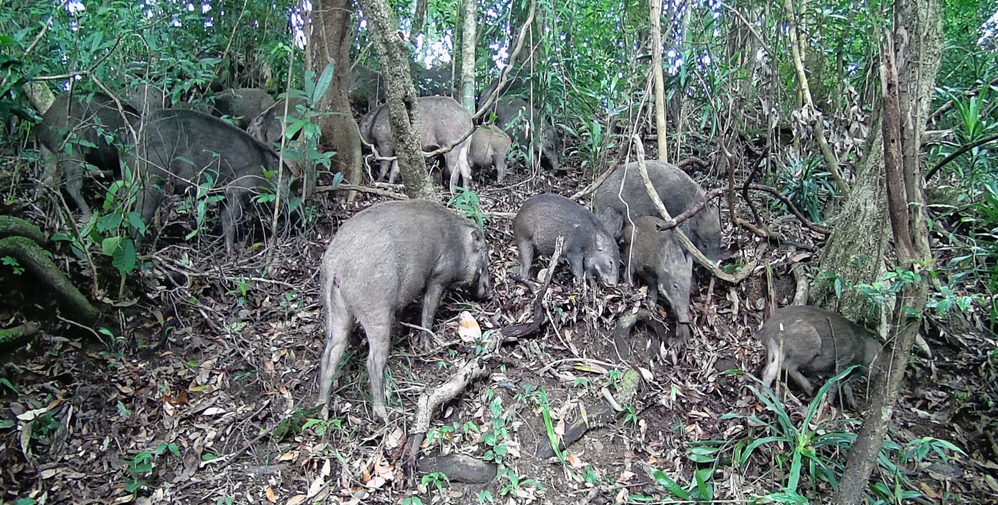
5. PUALRENG WILDLIFE SANCTUARY:
A RIVER-WOVEN LANDSCAPE OF MEMORY AND LIFE
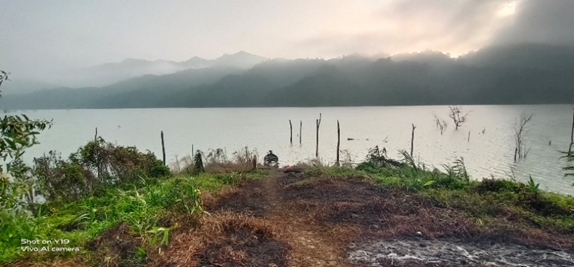
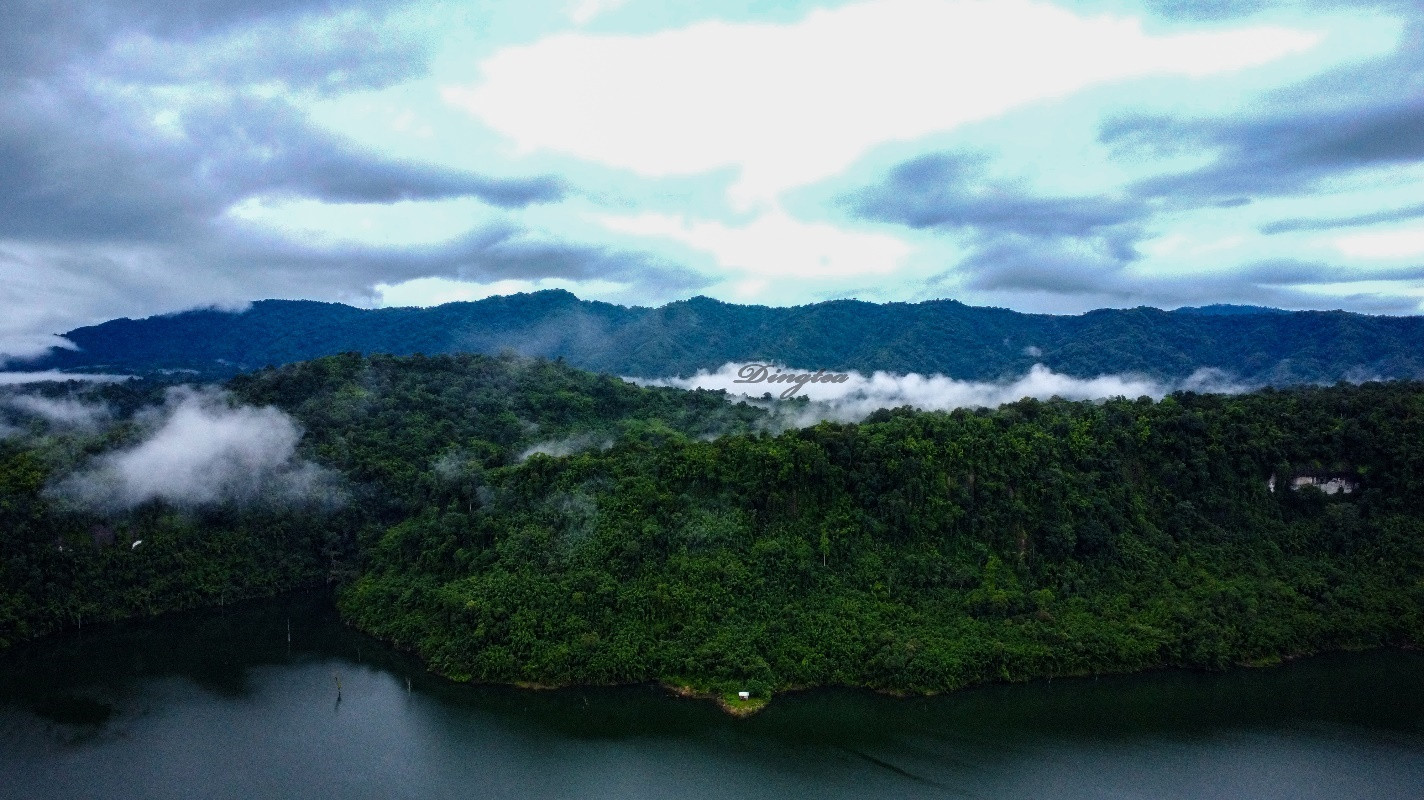
Pualreng Wildlife Sanctuary stands as a living tapestry where rivers carve both the land and its legacy. Cradled by water on nearly all sides, this protected expanse is defined by its natural waterways—each playing a vital role in shaping the sanctuary’s ecology and cultural past.
Approach Route of Pualreng Wildlife Sanctuary | |||||
Origin | Approach via | Distance (approx.) | Entry point | Approach via | Distance (approx.) |
1. Aizawl to N.Hlimen | NH-6 | 94.4 km | N.Hlimen to NEEPCO | NH-6 | 30.7 Km |
| NEEPCO to Tuiawn APC (Pualreng WLS) | River | 3 hrs | ||
2. Aizawl to NE Khawdungsei | NH-6 | 164.7 km | NE Khawdungsei | ||
Where Rivers Weave the Sanctuary’s Soul
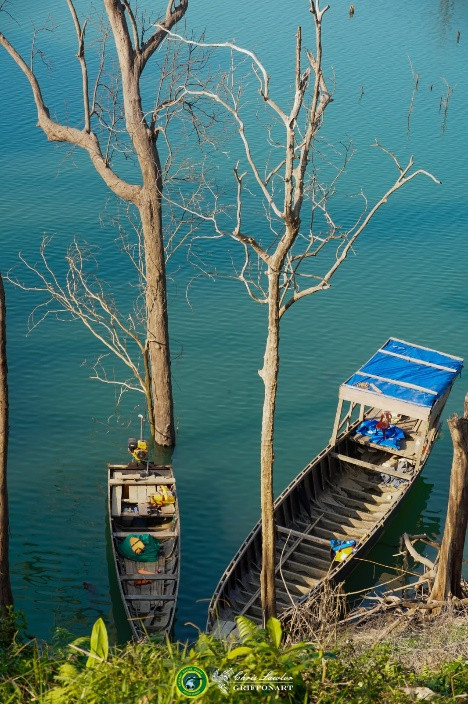
The Tuirial River, a mighty and perennial flow, begins its journey at the southwestern base of the sanctuary. Like a protective arm, it flows eastward along the base before turning northward, tracing the sanctuary’s edge until it reaches the sanctuary’s head at the northwestern corner. There, it merges with the Tuiawn River, a stream born within the heart of sanctuary itself. The Tuiawn flows northward, slipping out towards sanctuary’s western boundary only to eventually meeting the Tuirial river in a graceful confluence in the north.
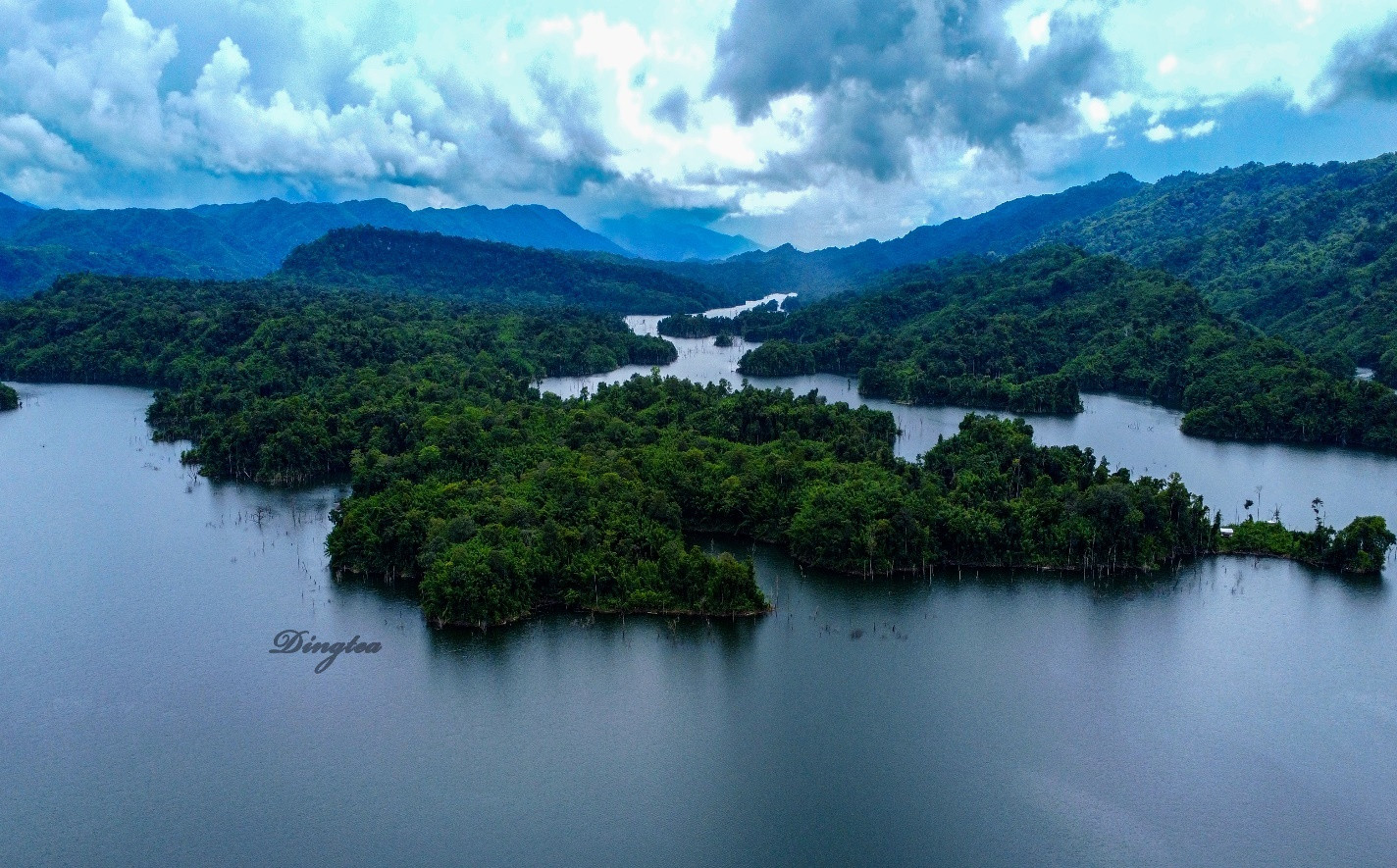
Adding to this hydrological chorus is the Tuiritai River, a smaller seasonal stream that enters the sanctuary from the southwestern border. It stretches approximately 3.02 kilometers, flowing quietly until it joins the Tuirial at the very base of the sanctuary. This union with the larger river breathes vitality into Tuiritai’s lower 1.07-kilometer stretch, making it perennial while its upper 1.95 kilometers remain seasonal—alive only in the rhythm of the monsoons.
Together, these rivers do more than nourish the forest—they define it. Of the sanctuary’s 46.9-kilometer perimeter, a remarkable 38.22 kilometers are naturally fenced by these rivers, offering both protection and life.
A Symphony of Wings and Wilderness
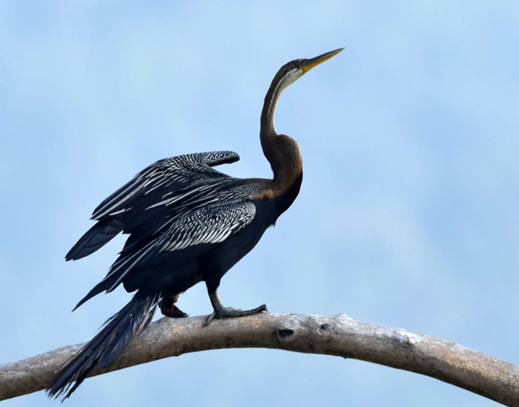
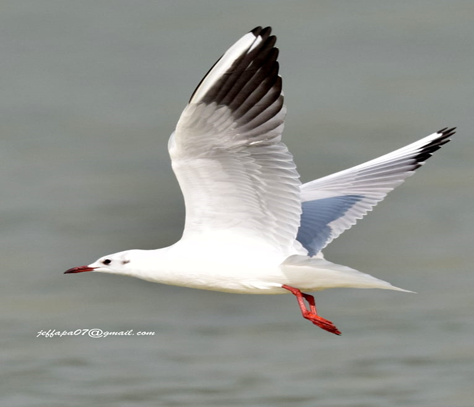
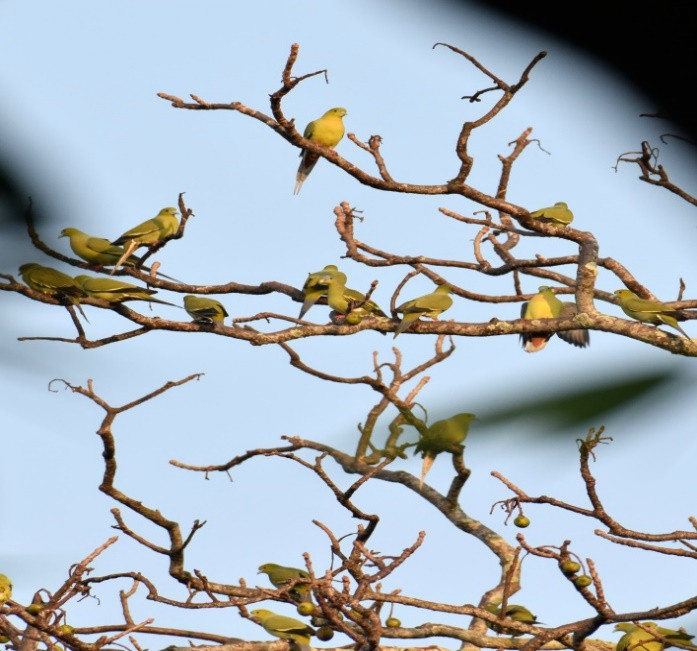
This water-rich environment is a haven especially for avifauna and forest-dwelling species. The sanctuary is home to a chorus of avian beauty, including the Common Kingfisher (Alcedo atthis) and White-breasted Kingfisher (Halycon smyrnensis). Others like the Oriental Darter (Anhinga melanogaster), Slaty-backed Forktail (Enicurus schistaceus), White-breasted Waterhen (Amaurornis phoenicurus), Grey-headed Lapwing (Vanellus cinereus), The Little Cormorant (Microcarbo niger) and the Common Snipe or fantail snipe (Gallinago gallinago) as well as different species of egret such Little Egret (Egretta garzetta), Intermediate Egret (Ardea intermedia) and Great Egret (Ardea alba) : all find refuge here—testaments to the sanctuary’s thriving biodiversity. The very first photographic record of the Black-headed Gull in Mizoram was also captured at Tuirial by the former DCF, Aizawl Wildlife Division and his team during his visit in the year 2022.
Echoes of Villages Past: Memory Beneath the Canopy
But Pualreng is not just a place of nature—it is a vessel of human memory.
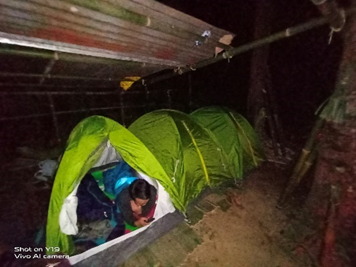
Within its forested folds once stood two villages: Pualreng and B. Theichangbung—both now uninhabited, yet their presence lingers like echoes in the mist.
1. Pualreng Village :
Pualreng village, established in 1942 with about 50 households, was an extended settlement of North Hlimen, whose last known chief was Lamsuaka. The village was displaced during the insurgency of the 1960s, when residents were regrouped to N. Hlimen in 1962. A decade later, they returned in 1972, rebuilding their homes and hopes. Yet in 1982, after 17 years of resilience, the people of Pualreng departed their ancestral land for the final time The history of Pualreng Village whispers through the forest and the land still holds their stories—etched in the terrain and remembered by descendants.
2. Theichangbung Village :
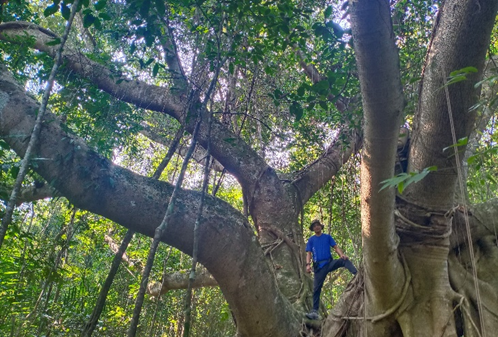
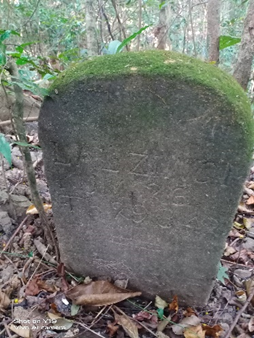
B. Theichangbung, established in 1946 with around 45 households, was an offshoot of Bukpui village, hence its prefix ‘B.’ The last known reigning Chief of Bukpui was Khawkunga. The village underwent regrouping in 1969 arising as a consequence of insurgency in Mizoram, with families relocated to Bukpui and N. Hlimen. In 1975, some villagers returned with a renewed desire to reclaim their homeland but ultimately vacated once more by 1986. Today, graves, monoliths and commemorative stones remain—silent sentinels of a village that once pulsed with life.
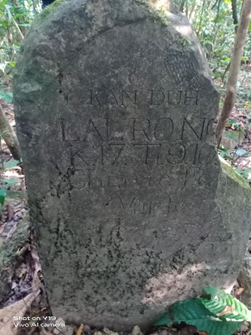
Where Culture, Waters, and Wilderness Meet
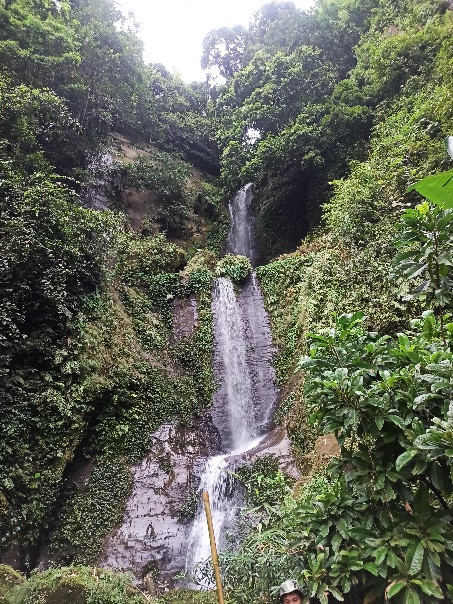
Today, Pualreng is more than a wildlife sanctuary—it is a convergence point of rivers, culture, ecology and memory.
Forest Types :
- Tropical Evergreen &
- Semi-Evergreen forests
It has 7 fringe villages considered as beat viz,
- N.Hlimen
- Thingthelh
- Bukpui
- Zohmun
- Palsang
- N.Khawdungsei
- Saipum
Animals :
Kelral (Neofelis nebulosa), Keisen (Felis temmincki) Sakhi (Muntiacus vaginalis) Sazuk (Cervus unicolor) Sanghal (Sus scrofa), Savawm (Ursus thibetanus), Hauhuk (Hoolock hoolock ) Zawnghmaisen (macaca arctoides), Zamphu (Arctictis binturong), Sahram (Lutra lutra) Phivawk (Arctonyx collaris), Sahuai (Nycticebus benghlensis) Tangkawng (Varanus komodoensis) Chinghnia (Canis lupus), Samang (Helarctos malayanus), Sanghar (Prionailurus bengalensis), Tlumpui (Viverra zibetha), Zawbuang (Paguma larvata).
Birds :
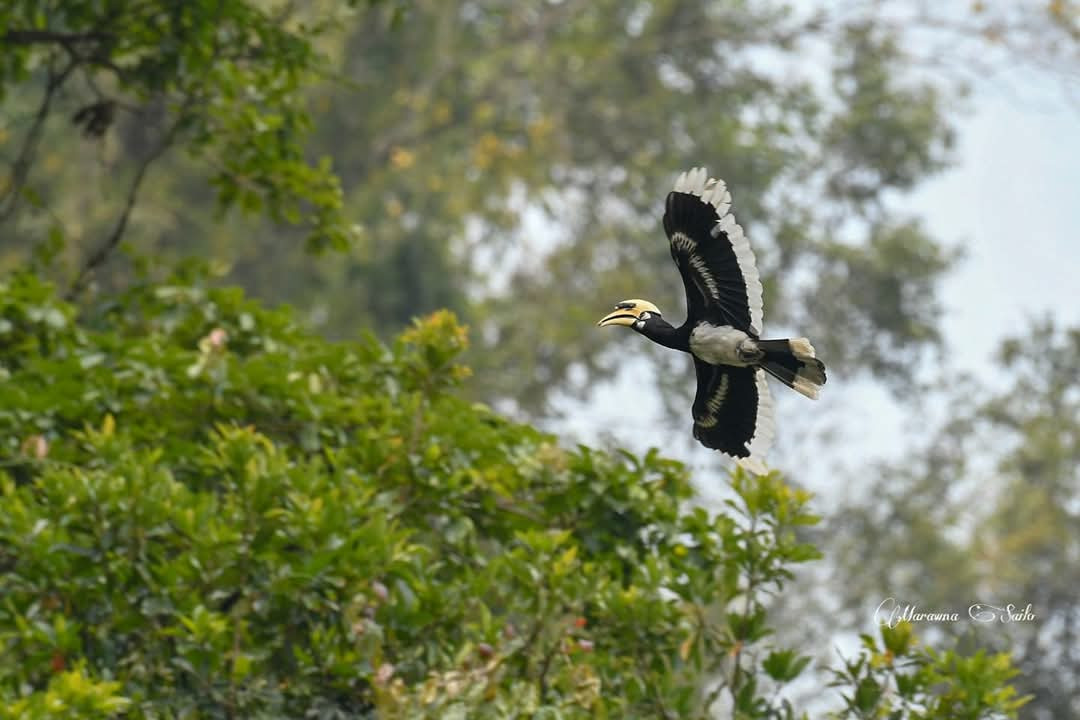
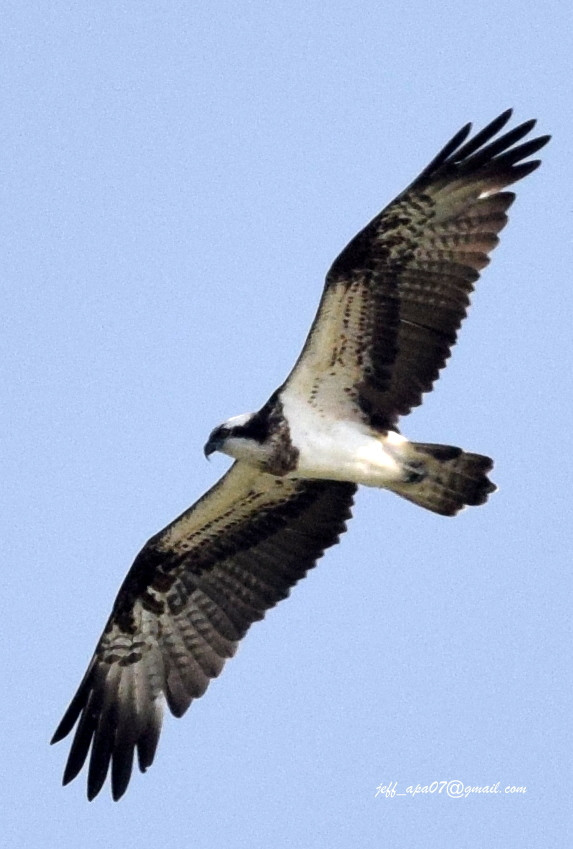
Vapual (Buceros bicornis), Kawlhawk (Aceros undulates), Vahai (Anthracoceros albirostris), Ramar (Gallus gallus) ,Vahrit (Lophura leucimelana),Varihaw (Polyplectron bicalcaratum), Varung (Arborophila atrogularis), Kaikuang ral (Alcedo atthis), Vakul (Dicrurus paradiseus), Lal ruanga se hnawt (Centropus sinensis), Bullut (Ducula badia), Vahui (Treron sphenura), Lungdup (Ictinaetus malayensin), Muvanlai (Spilornis cheela), Dawithiam arpa (Athopyga siparaja), Vazar (Garrulax pectoralis), Tukkhum villik (Pycnonotus atriceps), Dawntliang (Cissa chinensi ), Ram parva (Chalcophaps indica),Tawllawt (Megalima lineate), Tuklo (Megalaima asiatica), Varalthi (Harpactes erythrocephalus), Vadum deleng (Cyornis rubeculoides), Vahlah (Bambusicola fytchii), Thloh (Blythipicus pyrrhotis), Mu Awmvar (Pandion haliaetus), Huipui thlakhisen (Treron apicauda), Sangha ei chi mu( Pandion haliaetus).
Medicinal Plants :
Sekhup thur (Begonia inflata), Thasuih (Lindernia ruelliodes), Nauban (Orchid species), Kelbaan (Plantago major), Sarzuk (Elaeagnus caudata), Aidu (Amomum dealbatum), Sunhlu (Phyllanthus emblica), Archangkawm (Oroxylum indicum), Chhawntual (Aporusa octandra), Pasaltakaza (Helicia robusta), Kaihzawl (Dillenia pentagyna), Kawrthindeng (Dillenia indica), Mualhawih (Saraca asoca) Thingkhawhlu (Vitex peduncularis).
Tree Species :
Ngiau (Michelia champaca), Tatkawng (Artocarpus chama), Char (Terminalia myriocarpa), Thlanvawng (Gmelina arborea), Bung (Ficus benghalensis), Hmawng (Ficus religiosa), Thingdawl (Tetrameles nudiflora), Khiang (Schima wallichi), Beraw (Canarium resiniferum), Lawng thing (Dipterocarpus indicus), Vawm va (Garcima sopsophia), Zothingeng (Mahonia pycnophylla), Lamkhuang (Artocarpus heterophyllus), Theihai (Mangifera indica).
Others :
Di (Imperata cylindrica), Raichhawk (Daemonorops jenkinsianus), Luang (Saccharum longisetosum), Hmunphiah (Thysanolaena maxima)